
Phil Lilley
-
Posts
19,030 -
Joined
-
Last visited
-
Days Won
132
Content Type
Profiles
Forums
Blogs
Events
Articles
Video Feed
Gallery
Everything posted by Phil Lilley
-
Was it Brett Rader's client? We probably reposted it.
-
Taneycomo is what it is - to each individual. Everybody that fish's here frequently is going to run across "bad" and "good" people, boat or wade. Your opinion or your attitude depends on what you allow to stick to your shoes. If it does get worse, you just have to shake your shoes more often. This can be said about everything in life.
-
I don't recall that.
-
What to the very end.
-
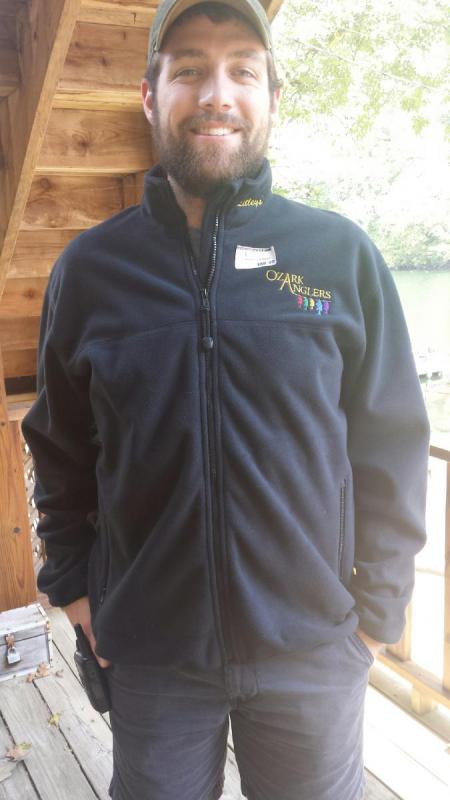
We have two of these fleece jackets left in the fly shop, that I had embroidered with the OA logo. They are both size large and I've discounted them to $35.99. Come by and grab yours before it's gone!
-
- 1
-

-
-
We have a couple of those....
-
Don't really understand your question. Are you saying recent renovations would increase the number of fish produced so where are the extra trout being stocked? I could ask where all the trout are stocked in the state from all the hatcheries.
-
Arkansas Residents Grow Weary Of Michigan Anglers
Phil Lilley replied to Plastic_worm's topic in White River
I'm caught in between - I wouldn't be surprised to hear this from a few locals but business owners? The quote from the store owner is stupid. Has to be made up. Eat up all the jerky- you mean BUY up all our snacks... yes!!! Buy it all - he would say!!!! It's kinda of a lame piece, really. Just doesn't make much since. I wish my fishery had that kind of attraction to bring in a crowd from Michigan. -
I kiddingly asked Shane Bush about stocking rainbows in Table Rock and he gave me a serious answer. I apologized because I wasn't seriously saying they should... but he took the time to answer- and said I could post his answer. I thought it had some interesting information in it - There are definitely some nice rainbow trout in Table Rock. I’m sure you are aware of the habitat and temperature requirements for trout. Table Rock, while it obviously supports some survival of trout, does not provide optimal conditions for trout which is one of the reasons they have not been stocked there in the past. Secondly, MDC manages large reservoirs for the native sport fish populations in them, while at the same time providing a (usually just one) “bonus” fishery with another species. For Table Rock, it’s paddlefish, Stockton is walleye, Pomme is musky, you get the drift. The cost of growing these bonus fish is not cheap. On average, the cost per paddlefish is about $5. Musky are even higher at $11.75. Both rainbow and brown trout cost about $2/fish to grow out to 10”. Currently, our hatcheries are at capacity for the number of trout they raise that are already stocked in Missouri waters. If you combine these factors with the very low angling pressure that rainbow trout receive in reservoirs, it is not cost efficient to stock them in our reservoirs. The Arkansas Game and Fish Commission stocked rainbow trout into Bull Shoals for years. This is the first year they are NOT stocking them for many of the reasons listed above. I emailed the biologist for Bull Shoals in Arkansas and his response is below: “Trout stocking in Bull Shoals Lake was very popular in the 80’s and 90’s. After that time, the popularity of trout fishing has decreased. There was very limited trout fishery after the access to the dam was closed off post 9/11. This will be the first year that no trout will be stocked in Bull Shoals Lake. Even the dock owners raising the trout for us did not want to stock them anymore. We felt like the cost of growing and stockings trout into the lake was more than the fishing benefits provided to a small group of anglers.” There are plenty of sources of trout in the tributaries feeding Table Rock, both private and public, that allow for one to escape into the lake and be caught on occasion. However, I believe that very few survive in the conditions present in Table Rock Lake during the summer. Thanks for your question, Shane Bush Fisheries Management Biologist Missouri Department of Conservation
-
May be the 2010 law changed the 2006 rule but you'd think the IRS would change their website. That, or the IRS was incorrect in the letter you got? Something is amiss.
-
by Damien Our two day fishing trip to Lilleys Landing was just as great as all the reviews said it was. To start off the the staff were extremely friendly and made you feel right at home. We probably picked the worst two days to plan our trip since the day before we left the weatherman was predicting several inches of snow. Although it did make us have to make a hard decision to leave the boat parked in the garage we did not let it spoil our trip. So after checking in to our room {which was great by the way} we decided to head down to the boat dock and start fishing. We had some luck using some pink power nuggets and corn catching six rainbows around 12 or 13 inches. After a few hours of the cold wind blowing we decided to head back and warm up. The next day we hit the dock around seven in the morning. The Army Corps of Engineers hotline said they were releasing 3 units of water. My partner stuck with his favorite and kept using corn. I threw a assortment of jigs anywhere from 1/16th once to 1/8th once. I tried an assortment of colors with no luck. Once they stopped moving water I decided to throw on some corn and relax for a while. We ended up with two limits all caught on corn right off the dock. We had caught several more before we decided to start keeping them. I still wish we could have taken the boat and covered a little more water but after checking out of our room and driving down to Cooper access it looked as if we had made a good decision in keeping the boat at home as the ramp looked a little slick. We do plan to revisit Lilleys Landing this spring for a two or three day trip since we enjoyed the facility so much. Thanks again for letting us take advantage of your great offer. You have a wonderful place and we hope to see you again this spring.
-
Well it's been a pretty nice winter except for this last little winter storm. The Branson area got 1/4 inch of sleet with about 4 inches of snow on top of that. With the sun out, the roads are almost clear. The Cooper Creek boat ramp is now closed by MDC but they are sending a truck over this afternoon to blade the ramp. We will spread ice melt on it later today so it should be open tomorrow. The forecast is for a chance of rain/snow this weekend but like I've said many times.... trout like snow and rain. I believe they'll run more water this weekend too so trout fishing should be pretty good. If they do water more water, brown fishing might be really good. Stick baits and white jigs! We may have some cancellations so we may have some rooms come open.
-
Marsha and I are visiting my son and daughter in law. They live just north of Boston. Wanted to share some of the snow pics of his house and street. We're supposed to fly out Thursday. It's starting to snow again this morning. They've had 80 inches in 4 weeks- a record. But it doesn't seem to bother the locals.
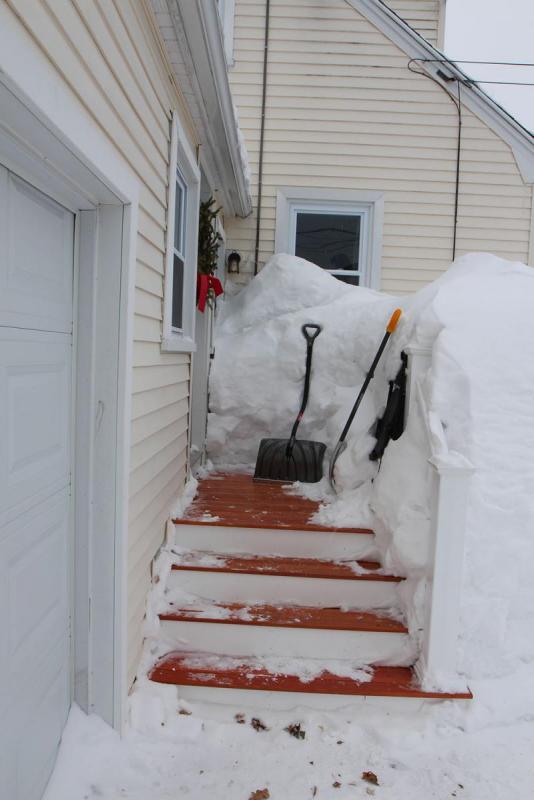
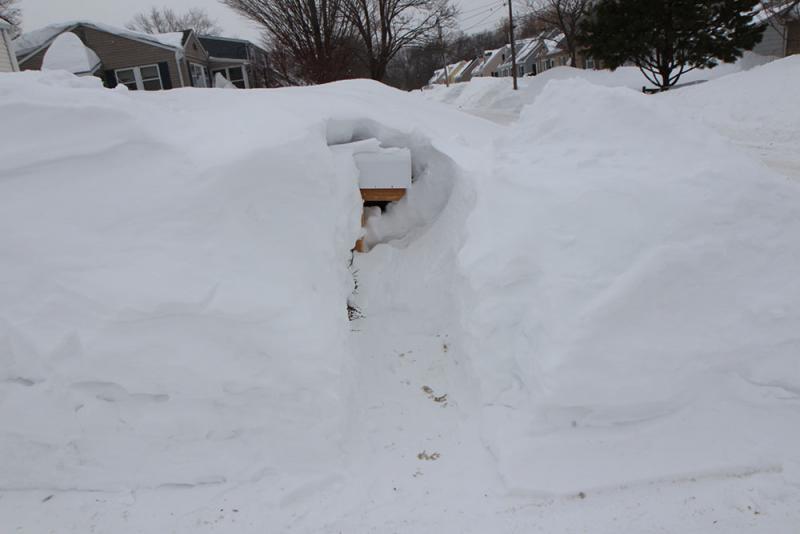
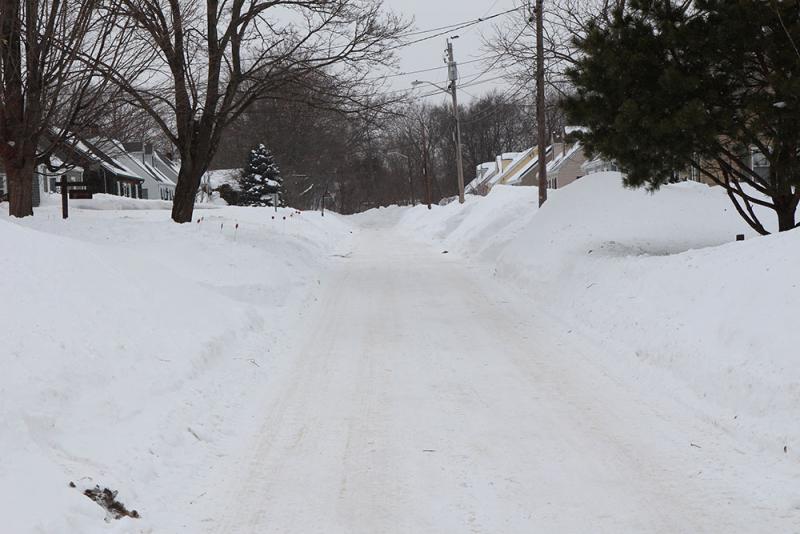
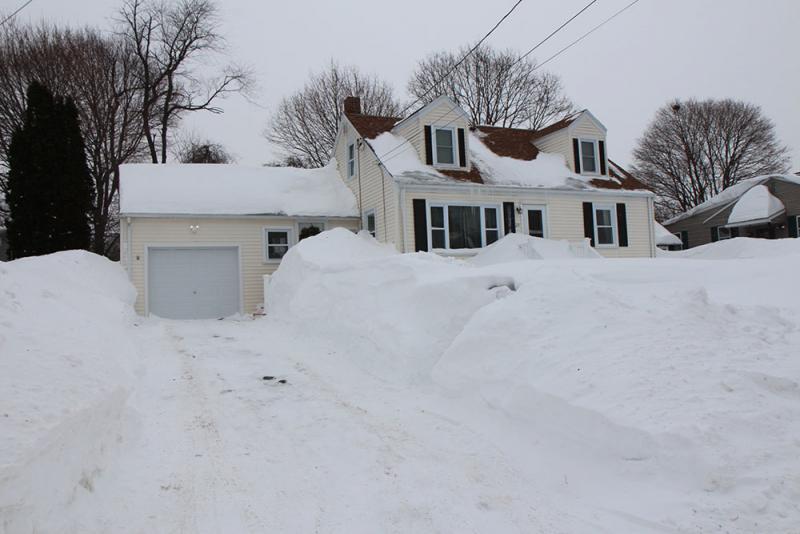
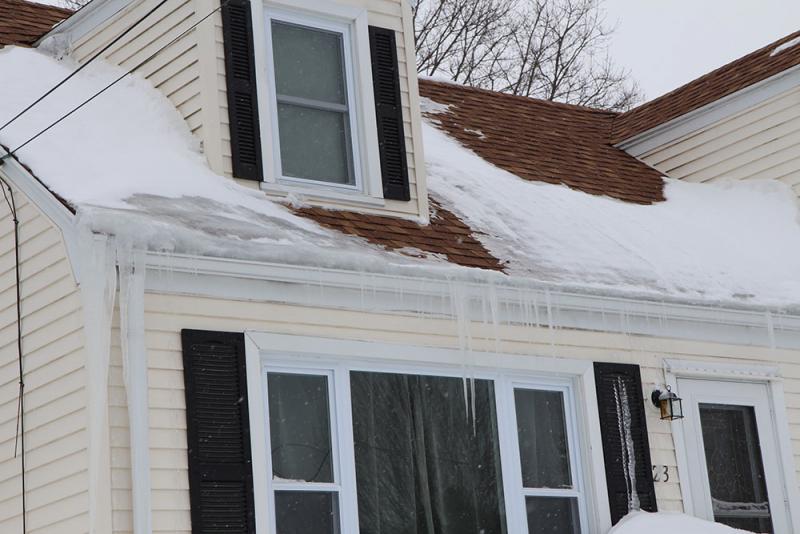
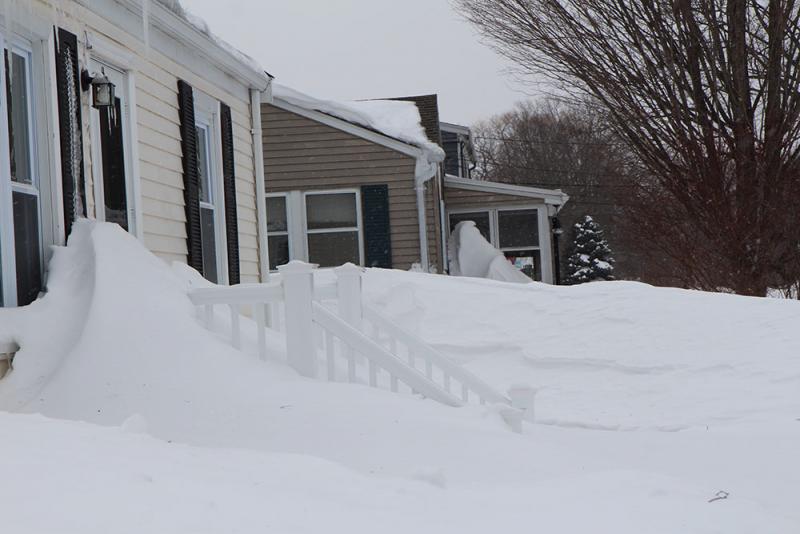
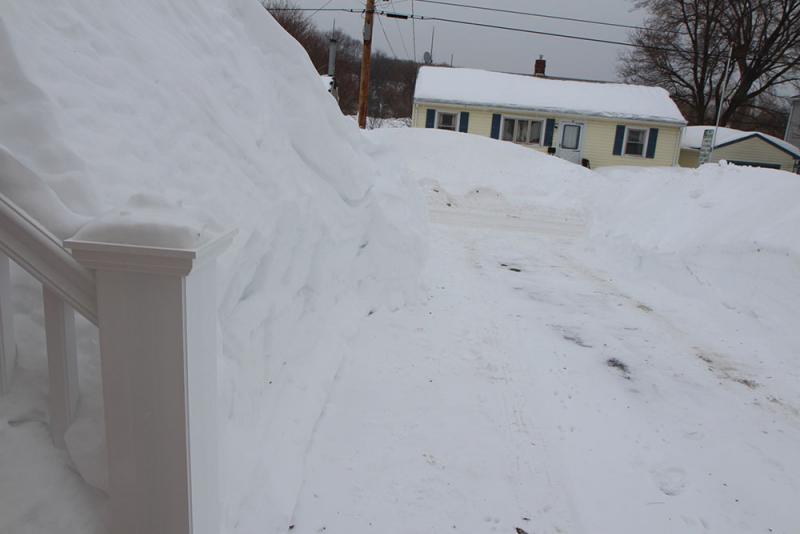
-
http://wired2fish.scout.com/story/1513634-pending-tennessee-state-record-bass-caught#.VODkXjYwkt0.facebook
-
I bet one could throw a fly off the bank at Beaver Lake with Scott right now and catch one. He's throwing a jig and doing pretty good.
-
The 10% tax on fishing and hunting goods made in this country goes to... http://www.irs.gov/Businesses/Small-Businesses-&-Self-Employed/Field-Directive-Federal-Excise-Tax-on-the-Importation-and-Manufacture-of-Fishing-and-Archery-Products
-
Nice trip. Thanks for sharing.
-
Question..... "Do you fish big articulated streamers like Dungeons and such on Taneycomo? Do you catch more larger fish or are medium sized fish caught more often? What size tippet do you use?" I have fished T&A Rainbows on Taney during the fall brown run with success on both rainbows and browns. I dont normally fish the big articulated streamers though. I do most of my streamer fishing at night and mainly do sight fishing during the day. During the day after sight fishing all my favorite spots, I will play with some small streamers, wet flies, and even do some midging. During the day I will use 6x if I can get away with it, but most of the time, 7x. If I'm throwing the small streamers, like that minnow fly, I will bump it up to 4 or 5x tippet. It seems like on a fast strip, you can get away with bigger tippet. More of working on a reaction strike than a feeding strike. Sight fishing in the slower water, they have too much time to study it and you hardly ever get away with anything bigger than 6x. Night fishing, I mainly throw the streamers size 6 and smaller. 10's are probably may favorite, most productive sizes. The simple pine squirrel sculpins with a cone head work fine but pine squirrel does not come in white, so I use mink for that. I normally use 2x or 3x tippet at night. Leonards PMS, and Hybernators along with Mohair leeches are all great streamer patterns to use at night also. One thing to remember about night fishing......If you dont get a hit or a fish in 10 casts, you need to change it up. Change color, change fly, change stripping action. There are too many fish out there not to get a bite in 10 casts. I normally start with a black streamer on a dark night and a white one on a bright moon lit night. The first thing I change, usually withing 3 cast is my strip. Either a dead drift, to a slow strip with a pause between strips to short very fast strips. If nothing with in 10 casts trying all those stripping methods, I change color. Colors I carry in the different streamers I use are White, Grey, Olive, Black, Red, and Purple. Once I run through all those colors in a certain pattern, I then change patterns and start running through the colors again. Sometimes you can get lucky on a good night and put to hand over 100 fish. Most of the time Ill catch 15-30 in a night. I do not always just catch big fish. Most of them are average fish, but after fishing down there for several years, I have got spots that tend to produce bigger fish every now and then, so as you can imagine, I hit those spots everytime I go. Question..... "What are your most productive daytime patterns besides your minnow fly?" During the day, my most productive fly is the white chamois worm, midges, and sow bugs. As far as streamers other than the minnow fly...the pine squirrel cone head sculpins and white mink sculpins in a size 10. I normally will catch more fish on the worm, midges and sow bugs though. You might want to tie up some micro eggs because some of the bows are trying to spawn....match the hatch... Some crackle backs and some soft hackles can pruduce just as well as the streamers during the day also. Like I said, I only throw the streamers during the day when I get bored with the other stuff. Question..... "Where do you buy your chamois? Are the midges just generic zebra-type midges?" You can get the chamois on eBay. It has to be white sheep skin that is very thin for doll clothes. My 4 favorite midges are zebra, rusty, prim rose and Pearl, and solid black. Question..... "What are the best flies to use if there is higher generation and the best way to rig them?" On high generation, if fishing the bank, I use White Chamois, Sow Bugs, Micro Eggs, San Juan Worms, and Midges. Favorite to least in that order. There are alot of places you can still make your way down the bank with up to 3 units on. I use lots of weight to get it down fast. Sometimes up to 4 number 4 split shot. I place the split shot about 12 inches above the flies. Now on the midges, of course you would not use any weight. I only use the midges when I can see lots of fish rising in the seems and eddies close to the bank and then will put one on about 12 to 18 inches under the smallest indicator I can get. Most of the fish will hold close to the bank during generation so you dont need to cast out very far. Work the close seams and eddies within 10 feet of the bank. If I can see my flies on the short drifts, I will not us an indicator. If I can not, then I will put the indicator on. I love fishing down below outlet #2 with 2 units on. The water is perfect for fishing that bank under 2 units of generation. Just below outlet #2 is a tree that hangs out over the water with 2 units running. From that tree down, within 6 feet of the bank, usually holds lots of fish. There is a nice eddie just below the tree and then some giant boulders that create great fish holding eddies also. You can also drive over the dam and get acces to the south side. The back side of the Island is a great place to fish during generation also. Note: Duane Doty guides on Taneycomo and other creeks and rivers in S.W. Missouri. In the summer and fall months, he guides in the Bristol Bay area of Alaska for Crystal Creek Lodge on the Naknek River.
-
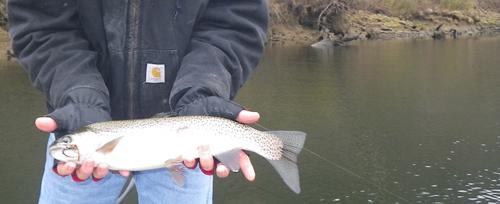 I'd like to take a survey of all the fly fishermen and fisher ladies in the world and find out what the number one favorite fly fishing technique is-- casting dries to rising trout, stripping woollies in big, swirling pools, fishing wind-chopped water with a strike indicator and weighted nymph or jig or dead drifting in steadily moving water with or without an indicator for feeding trout under the surface. Which would win out and which would be dead last?? Part of the answer, I guess, would be the availability of those types of water conditions to the angler. Second would be experience. But putting all that aside, what would be your favorite way to catch trout? Mine-- dry fly fishing. It takes a good and accurate cast with the right fly to earn the strike in most cases. Second would be stripping woollies... and third would be the dead drift. Why am I writing on this technique if it seemingly it not one of my favorites? Because to do it right, it takes just as much skill and finesse as throwing that dry fly and I've come to find out most fly fishermen don't understand the basics. Basic #1. Fly selection. It goes without saying, the type of nymph should match the food base for that particular water. Size of the fly also depends on the food base but it also depends on the speed of the current and visibility factor-- how clear is the water. The cloudier the water the bigger fly you use. The clearer it is, the smaller the fly. That doesn't mean a small fly won't work in cloudy water or visa versa-- it's just a general rule. Basic #2. Tippet selection. Diameter should match the fly and water conditions both. It should also match the size of fish you're going after. If the water clarity is high and speed is slow, you may have to go with a small diameter line like 7x or 8x (1- to 2- pound). Faster current-- you may want to increase the diameter to 6x or even 5x, depending on the size bug you're using. A small fly, like #18, you really can't use 5x because the line may not fit through the eye! Common scense plays a part in some the selection. Another thing to consider.... if you're using, say 7x tippet and you know there's 3 and 4 pounders out there, and you have a real good chance to hook one or two, you'll literally kill the fish in the fight, especially if the water quality is not so good. This happens all to much here on Lake Taneycomo in the fall and our brown trout run. Someone hooks a big brown, 6 pounds say, on 6x tippet and fights it for 20 minutes. The brown is exhausted and cannot be revived in the low oxygen water conditions. Even if you wanted to, you couldn't release the fish. What to do? Use heavier tippet or break the fish off half way through the fight to save the fish's life. Either that or decide to kill it before the fight goes too far. Just don't fight the fish to death and then discover you've killed it unwillingly. Basic #3. Strike indicator. Size, color and where you put it on you line is crucial. If you're fishing very clear water and over spooky fish, you don't want to drop a big indicator on top of them only to scatter them to deeper, darker pools. Use an indicator you can see well. Use the smallest allowed, dictated by the size nymph you're using. You don't want the weight of the fly or the added weight you may have to add to the line to get the fly down to pull the float down. Use a dry fly if conditions warrant it. Tie the dry on and then tie the dropper tippet to the bend in the hook. Use enough tapered leader from your fly line so none of your fly line enters the area where the fish are holding. In another words, don't connect your float to the end of your fly line. If you're fishing to real spooky fish, use 14 foot of tapered leader (add to it if needed), then your indicator, then your tippet. Basic #4. Learn the water. Look to see where holes or pockets are where fish will hold or hide. Look at the water currents around those areas, especially the current between you and the pocket. Is the currents slower at the pocket than the current in front of you? Are there several swirling eddies between you the the fish? All these factors will dictate where you lay your cast and how you will mend your line. The depth of water at the pockets and upstream of the pocket dictates how deep you set your strike indicator, if you're using one. If you're not, you'll have to gage how much weight to use to get the best drift to your holding fish. Basic #5. Mending the line. This is where experience and finesse takes over. What you want to accomplish it a completely dead drift. Your fly must look like its free-flowing downstream with the current, not encumbered by a line and a float that would tend to drag it through the pocket like a guy walking a dog. You get this affect by mending your fly line according to currents speeds and eddies that your fly line travels over. Like I said, it takes practice-- trial and error. Using the tip of your fly rod and your wrist, flip the line just enough to move only the fly line, not the float. Watch the float. If it is dragging at all through the target area, your fly will be riding up in the current and will not be where you want it to be- in front of the fish's face. You may have to mend several time through a drift, another reason to allow lots of leader between you fly line and your float. If your flipping your fly line close to the target area, fish will spook. Don't get confused during the drift. You may have to mend your line downstream at the beginning of the drift, then mend upstream in the middle and again at the end. It sounds hard but once you have the touch, you'll see the benefits- fish on!! Basic #6. This is the easy one-- recognizing the strike. I find myself watching the trout I'm aiming for too much and not the float. Many times another trout has moved over and taken my fly and the indicator has vanished and I'm still watching the same trout-- still motionless. The indicator will simply stop when the trout takes the bug. But depending on where the bug was in conjunction to the float, the float may not stop at the exact moment the bug is taken. The bug may have been drifting in front of the float and the float may have to catch up before it shows a strike. Therefore, the set must be sharp. Set the hook with the rod coming either straight up of angled downstream. Why downstream? If you set the hook upstream, all you may be doing is pulling the hook out of the fish's mouth (fish always point upstream). Setting the hook downstream is setting the hook back in it's mouth. Basic #7. The fight. This isn't just for dead drifting but for any type of fly fishing. I've found that by holding the rod close to the water sideways, I can put allot more pressure on the fish without risk of breaking the line. I learned this fight big chinook salmon in Michigan. If you get the fish to the surface of the water, holding the rod up is good but if it's pulling away from you, holding the rod tip close to the water will turn the head of the fish more efficiently. Finish the fight as quickly as possible if you're intentions is to release the fish. Don't handle a trout is at all possible. And the last thing I leave you with-- remember fishing is a privilege, not a right. Don't abuse it, enjoy it. Enjoy fishing and all the blessings God has given to us.
 -
I'd like to take a survey of all the fly fishermen and fisher ladies in the world and find out what the number one favorite fly fishing technique is-- casting dries to rising trout, stripping woollies in big, swirling pools, fishing wind-chopped water with a strike indicator and weighted nymph or jig or dead drifting in steadily moving water with or without an indicator for feeding trout under the surface. Which would win out and which would be dead last?? I'd like to take a survey of all the fly fishermen and fisher ladies in the world and find out what the number one favorite fly fishing technique is-- casting dries to rising trout, stripping woollies in big, swirling pools, fishing wind-chopped water with a strike indicator and weighted nymph or jig or dead drifting in steadily moving water with or without an indicator for feeding trout under the surface. Which would win out and which would be dead last?? Part of the answer, I guess, would be the availability of those types of water conditions to the angler. Second would be experience. But putting all that aside, what would be your favorite way to catch trout? Mine-- dry fly fishing. It takes a good and accurate cast with the right fly to earn the strike in most cases. Second would be stripping woollies... and third would be the dead drift. Why am I writing on this technique if it seemingly it not one of my favorites? Because to do it right, it takes just as much skill and finesse as throwing that dry fly and I've come to find out most fly fishermen don't understand the basics. Basic #1. Fly selection. It goes without saying, the type of nymph should match the food base for that particular water. Size of the fly also depends on the food base but it also depends on the speed of the current and visibility factor-- how clear is the water. The cloudier the water the bigger fly you use. The clearer it is, the smaller the fly. That doesn't mean a small fly won't work in cloudy water or visa versa-- it's just a general rule. Basic #2. Tippet selection. Diameter should match the fly and water conditions both. It should also match the size of fish you're going after. If the water clarity is high and speed is slow, you may have to go with a small diameter line like 7x or 8x (1- to 2- pound). Faster current-- you may want to increase the diameter to 6x or even 5x, depending on the size bug you're using. A small fly, like #18, you really can't use 5x because the line may not fit through the eye! Common scense plays a part in some the selection. Another thing to consider.... if you're using, say 7x tippet and you know there's 3 and 4 pounders out there, and you have a real good chance to hook one or two, you'll literally kill the fish in the fight, especially if the water quality is not so good. This happens all to much here on Lake Taneycomo in the fall and our brown trout run. Someone hooks a big brown, 6 pounds say, on 6x tippet and fights it for 20 minutes. The brown is exhausted and cannot be revived in the low oxygen water conditions. Even if you wanted to, you couldn't release the fish. What to do? Use heavier tippet or break the fish off half way through the fight to save the fish's life. Either that or decide to kill it before the fight goes too far. Just don't fight the fish to death and then discover you've killed it unwillingly. Basic #3. Strike indicator. Size, color and where you put it on you line is crucial. If you're fishing very clear water and over spooky fish, you don't want to drop a big indicator on top of them only to scatter them to deeper, darker pools. Use an indicator you can see well. Use the smallest allowed, dictated by the size nymph you're using. You don't want the weight of the fly or the added weight you may have to add to the line to get the fly down to pull the float down. Use a dry fly if conditions warrant it. Tie the dry on and then tie the dropper tippet to the bend in the hook. Use enough tapered leader from your fly line so none of your fly line enters the area where the fish are holding. In another words, don't connect your float to the end of your fly line. If you're fishing to real spooky fish, use 14 foot of tapered leader (add to it if needed), then your indicator, then your tippet. Basic #4. Learn the water. Look to see where holes or pockets are where fish will hold or hide. Look at the water currents around those areas, especially the current between you and the pocket. Is the currents slower at the pocket than the current in front of you? Are there several swirling eddies between you the the fish? All these factors will dictate where you lay your cast and how you will mend your line. The depth of water at the pockets and upstream of the pocket dictates how deep you set your strike indicator, if you're using one. If you're not, you'll have to gage how much weight to use to get the best drift to your holding fish. Basic #5. Mending the line. This is where experience and finesse takes over. What you want to accomplish it a completely dead drift. Your fly must look like its free-flowing downstream with the current, not encumbered by a line and a float that would tend to drag it through the pocket like a guy walking a dog. You get this affect by mending your fly line according to currents speeds and eddies that your fly line travels over. Like I said, it takes practice-- trial and error. Using the tip of your fly rod and your wrist, flip the line just enough to move only the fly line, not the float. Watch the float. If it is dragging at all through the target area, your fly will be riding up in the current and will not be where you want it to be- in front of the fish's face. You may have to mend several time through a drift, another reason to allow lots of leader between you fly line and your float. If your flipping your fly line close to the target area, fish will spook. Don't get confused during the drift. You may have to mend your line downstream at the beginning of the drift, then mend upstream in the middle and again at the end. It sounds hard but once you have the touch, you'll see the benefits- fish on!! Basic #6. This is the easy one-- recognizing the strike. I find myself watching the trout I'm aiming for too much and not the float. Many times another trout has moved over and taken my fly and the indicator has vanished and I'm still watching the same trout-- still motionless. The indicator will simply stop when the trout takes the bug. But depending on where the bug was in conjunction to the float, the float may not stop at the exact moment the bug is taken. The bug may have been drifting in front of the float and the float may have to catch up before it shows a strike. Therefore, the set must be sharp. Set the hook with the rod coming either straight up of angled downstream. Why downstream? If you set the hook upstream, all you may be doing is pulling the hook out of the fish's mouth (fish always point upstream). Setting the hook downstream is setting the hook back in it's mouth. Basic #7. The fight. This isn't just for dead drifting but for any type of fly fishing. I've found that by holding the rod close to the water sideways, I can put allot more pressure on the fish without risk of breaking the line. I learned this fight big chinook salmon in Michigan. If you get the fish to the surface of the water, holding the rod up is good but if it's pulling away from you, holding the rod tip close to the water will turn the head of the fish more efficiently. Finish the fight as quickly as possible if you're intentions is to release the fish. Don't handle a trout is at all possible. And the last thing I leave you with-- remember fishing is a privilege, not a right. Don't abuse it, enjoy it. Enjoy fishing and all the blessings God has given to us. View full article
-
Like the postman . . . nor rain or snow...
- 1 reply
-
- 3
-
-
 Like that pun? " . . on the rise" . . . Well, I thought it was a pretty creative lead-in for me. What do Taneycomo rainbows eat the most, midge flies, scuds or sow bugs? If you look at the pure numbers of each bug, you have to say the midge fly is the answer. And another thing, is the plural of midge midges? I always have a hard time with writing about the insects because I don't know what to call them. There are pupas, larvae, emergers and dries, but I refer to them as just midges in this piece. I'm not going to get too technical about this . . . I want to educate you on just a couple of things -- how to read the conditions and how to fish midge flies effectively. Wouldn't reading conditions be... easy? You see trout dimpling the surface, and you say, "They're eating midges in the film or off the surface -- let's use a zebra or a soft hackle!" Yes but they eat midge pupae and larvae without showing any visible signs of eating anything at times . . . on the surface, anyhow. On Taneycomo, there are conditions we have learned to find for certain reactions from both bugs and trout, namely when the water is dropping from generation and during early mornings and late evenings. There have been times when we are drifting below the dam with water running and notice, all of a sudden, trout midging like there's no tomorrow. At the same time we notice a wet line on the bank indicating that the water level is dropping, or the opposite can happen. We notice the water dropping and then the increase of surface activity. But then there are times when the water drops and there's no activity, that we can detect. That's when we look deeper, deeper -- nothing mystical--just deeper in the water. We look for fish moving from side to side, rising and falling in the water column, eating larvae that are rising to the surface. It surprises me that freshly stocked rainbows adapt so quickly to their new environment. Where rainbows are stocked downstream like in the Cooper Creek area and even as far down as the Branson area between the bridges, they are seen readily taking midges off the surface even the day they are stocked. Surprising... but seemingly a good thing for their survival. Or is it? A fly that has been mentioned time and time again in my fishing reports has been the zebra midge. This little, simple fly imitates a midge larva to a tee, except we use red a lot, and they aren't red at all. For the most part they're black, sometimes cream or brown, and sometime olive. But the shape -- thin and short with a bead head for the head -- apparently makes a good impression on a trout. The fly can be tied several ways -- with a tungsten bead, glass bead or regular cyclops bead, thread or vinyl rib body and ribbed with bare or coated wire or not ribbed at all. Some tyers tie a turn of peacock below the bead to give it a hairy look. Some tie a little crystal flash coming out of the head imitating wings emerging. But the plain-Jane zebra has caught this angler a ton of trout without all the fancy add-ons. We usually tie them on a curved, nymph hook such as a 2487 TMC, but I've seen them on other styles as well. This fly, or the technique of catching trout, isn't limited to fly rod fishing at all. As a matter of fact, our guides have been fishing the zebra exclusively the last month using spin rods, two-pound line and a small indicator, with little trouble catching fish. And in most cases, they've been fishing down lake, not up in the trophy area. Buster Loving and Bill Babler haven't even started their big motors at times, trolling to the middle of the lake here at the resort or off the public boat ramp at Cooper Creek to start and finish their trips. They catch more than most clients ever thought of seeing in a four-hour period. Depth isn't necessarily a big guessing game.The trout are either relatively close to the surface or just a little deeper. A good rule of thumb is to set your indicator 12 to 18 inches if there's surface activity and three to four feet when there's not. Seeing the strike is no guessing game at all. Whether you're fishing a pinch-on indicator or a one-inch carrot float, these trout seem to be aggressive on the take. The float goes under -- and sometimes sideways -- in a hurry. All in all, fishing a zebra midge under a float has almost replaced the popular jig-n-float technique. If our trout keep keying in on it, the rise in use will not be a surprise.
 -
Like that pun? " . . on the rise" . . . Well, I thought it was a pretty creative lead-in for me. Like that pun? " . . on the rise" . . . Well, I thought it was a pretty creative lead-in for me. What do Taneycomo rainbows eat the most, midge flies, scuds or sow bugs? If you look at the pure numbers of each bug, you have to say the midge fly is the answer. And another thing, is the plural of midge midges? I always have a hard time with writing about the insects because I don't know what to call them. There are pupas, larvae, emergers and dries, but I refer to them as just midges in this piece. I'm not going to get too technical about this . . . I want to educate you on just a couple of things -- how to read the conditions and how to fish midge flies effectively. Wouldn't reading conditions be... easy? You see trout dimpling the surface, and you say, "They're eating midges in the film or off the surface -- let's use a zebra or a soft hackle!" Yes but they eat midge pupae and larvae without showing any visible signs of eating anything at times . . . on the surface, anyhow. On Taneycomo, there are conditions we have learned to find for certain reactions from both bugs and trout, namely when the water is dropping from generation and during early mornings and late evenings. There have been times when we are drifting below the dam with water running and notice, all of a sudden, trout midging like there's no tomorrow. At the same time we notice a wet line on the bank indicating that the water level is dropping, or the opposite can happen. We notice the water dropping and then the increase of surface activity. But then there are times when the water drops and there's no activity, that we can detect. That's when we look deeper, deeper -- nothing mystical--just deeper in the water. We look for fish moving from side to side, rising and falling in the water column, eating larvae that are rising to the surface. It surprises me that freshly stocked rainbows adapt so quickly to their new environment. Where rainbows are stocked downstream like in the Cooper Creek area and even as far down as the Branson area between the bridges, they are seen readily taking midges off the surface even the day they are stocked. Surprising... but seemingly a good thing for their survival. Or is it? A fly that has been mentioned time and time again in my fishing reports has been the zebra midge. This little, simple fly imitates a midge larva to a tee, except we use red a lot, and they aren't red at all. For the most part they're black, sometimes cream or brown, and sometime olive. But the shape -- thin and short with a bead head for the head -- apparently makes a good impression on a trout. The fly can be tied several ways -- with a tungsten bead, glass bead or regular cyclops bead, thread or vinyl rib body and ribbed with bare or coated wire or not ribbed at all. Some tyers tie a turn of peacock below the bead to give it a hairy look. Some tie a little crystal flash coming out of the head imitating wings emerging. But the plain-Jane zebra has caught this angler a ton of trout without all the fancy add-ons. We usually tie them on a curved, nymph hook such as a 2487 TMC, but I've seen them on other styles as well. This fly, or the technique of catching trout, isn't limited to fly rod fishing at all. As a matter of fact, our guides have been fishing the zebra exclusively the last month using spin rods, two-pound line and a small indicator, with little trouble catching fish. And in most cases, they've been fishing down lake, not up in the trophy area. Buster Loving and Bill Babler haven't even started their big motors at times, trolling to the middle of the lake here at the resort or off the public boat ramp at Cooper Creek to start and finish their trips. They catch more than most clients ever thought of seeing in a four-hour period. Depth isn't necessarily a big guessing game.The trout are either relatively close to the surface or just a little deeper. A good rule of thumb is to set your indicator 12 to 18 inches if there's surface activity and three to four feet when there's not. Seeing the strike is no guessing game at all. Whether you're fishing a pinch-on indicator or a one-inch carrot float, these trout seem to be aggressive on the take. The float goes under -- and sometimes sideways -- in a hurry. All in all, fishing a zebra midge under a float has almost replaced the popular jig-n-float technique. If our trout keep keying in on it, the rise in use will not be a surprise. View full article
-
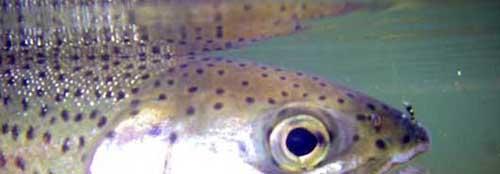 I’m going to take a leap of faith and predict water flows for the next 3 months. Do I have your attention? Am I serious? Kinda. But what I’d like to do in this short article is to suggest a couple of fly fishing patterns for this fall… or anytime when they water is running 1-2 generators. I have found our rainbows like to hold in very shallow water when the lake is at certain levels. With one to two units running the level is between 701.4 and 707.8, 701.3 being power pool. When the level rises over 12 inches above gravel flats, rainbows move up on them and feed on mainly midge larva and adults. Holding on the bottom, they don’t have far to move to take anything flowing by. This includes my fly. Where are these areas? To start, the bank’s edge, north side, from #1 outlet to #2 outlet. From the TU stairs (above outlet #3), north side, all the way down to big hole and covers all the gravel bar thereof. Levels dictate where trout will hold. At the “leak” or where water rushes from the north bank below big hole about 300 yards, north bank, downstream about 100 yards before dropping off into deeper water along the north bank. South bank from the old boat ramp gravel bar down to the bottom island just before the KOA Campground. Now to the north bank, where the lake bends to the south from the last set of stairs below the MDC boat ramp- that entire shallow flat to the top of “Clay Banks”. Trout will hold on the north bank all the way through clay banks but not as well as the bottom of this area. North and south banks from well above Lookout Island through the island. The north bank is extremely good. Around the corner, starting just past Andy’s house (big white mansion), north bank all the way to the steps at Fall Creek Condos. Switch to the other side immediately and fished the south side to the tip of the island. One more- the gravel bar at Short Creek- all of it. Now that we’ve covered where to fish, now how to… swinging stripping, lifting, twitching………. sounds like a PEO party gone bad. From my boat, I like to throw out an anchor, concrete and round on a fairly short rope, and drag it, slowing the boat down just enough to let me work the water. I know this will offend some who think dragging chains or anchors is unethical, but I’m not sure how else to achieve this drift without someone working the trolling motor for me. I choose a fly. Crackleback, soft hackle, woolly, elk hair caddis, stimulator, griffin’s gnat all are good choices at times. I usually start with a #16 crackleback and move on from there. I try to position the boat out in the current but close to the bank I’m fishing—close enough to make a downstream perpendicular to the bank, letting the fly skim across the surface from the edge of the grass to the deeper water. The retrieve is the fun part. My favorite is the lift. After casting, I quickly start lifting the rod tip, dragging the fly immediately after it hits the water. Slow, fast, shacking or twitching the tip for effect—I try them all, trying to find what mood the trout are in—aggressive or passive. Lifting and dragging the fly so quickly keeps the fly on the surface longer, not letting it sit and soak up water or letting the tippet sink, pulling the fly down. If you don’t want the fly to sink at all, grease the leader and tippet before starting. I’ve also found working the fly straight downstream is effective. While I’m still moving downstream, I’ve worked a woolly using only the rod tip, up and down, dropping the fly back and then pulling it forward and up to the surface. The trout usually take the fly as it’s dropped back and/or holding it still after it’s dropped back. Standing high above the surface of the water allows me to see all the action--and that’s the best part. I’ve seen rainbows come from well off the bank, in deep pockets, race up and slam my fly. I’ve also seen them move slowly over in position to take a peak at this so-called bug floating downstream, put his nose on the bug and turn away, laughing all the while. I’m serious! I’ve seen them smile at me!! “Do I look stupid to you,” they exclaimed.


