Phil Lilley
-
Posts
19,030 -
Joined
-
Last visited
-
Days Won
132
Content Type
Profiles
Forums
Blogs
Events
Articles
Video Feed
Gallery
Everything posted by Phil Lilley
-
Naknek River Report, October 26-31, 2019
Phil Lilley replied to Phil Lilley's topic in U.S.A. - Alaska
Images added -
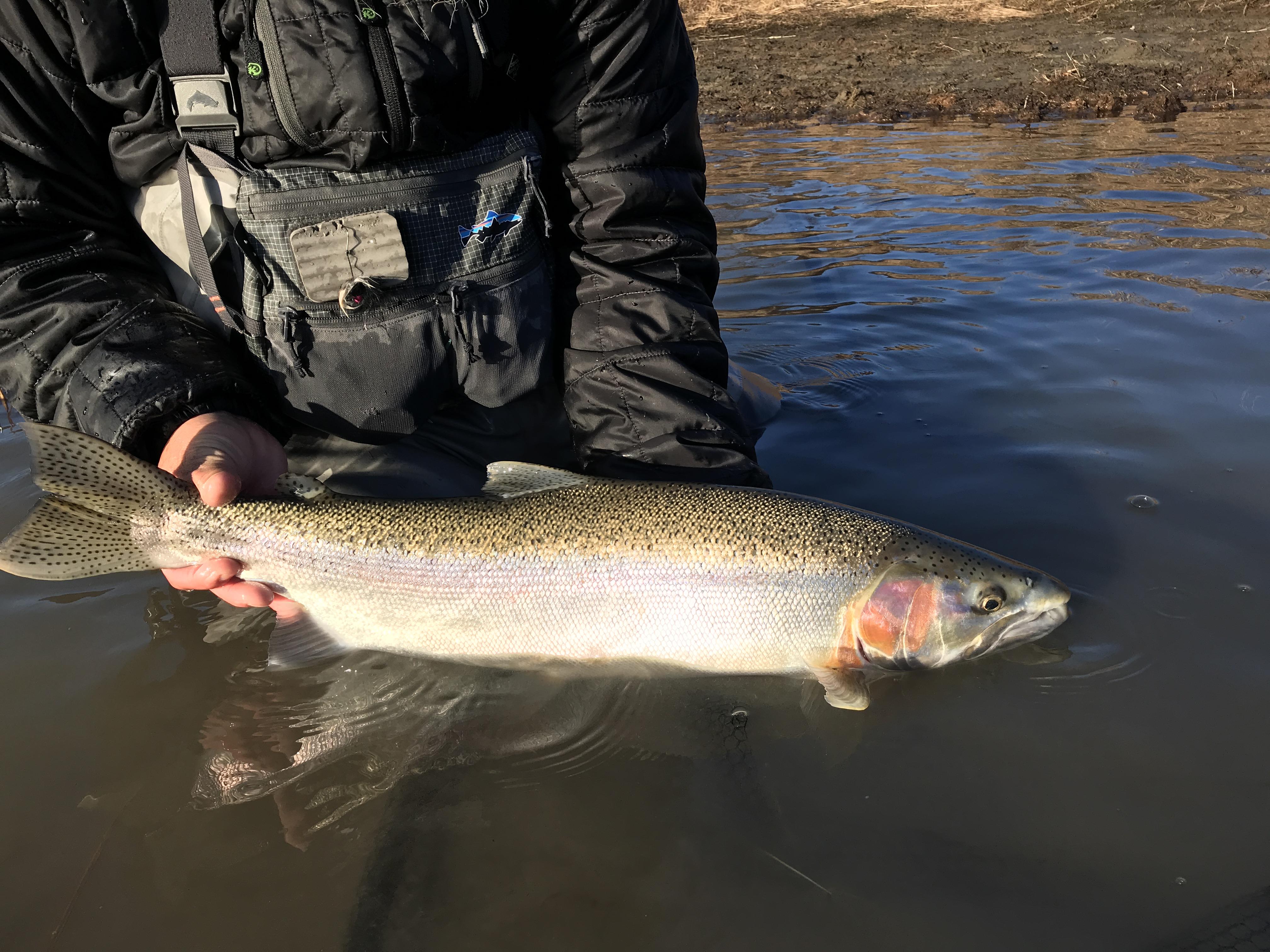
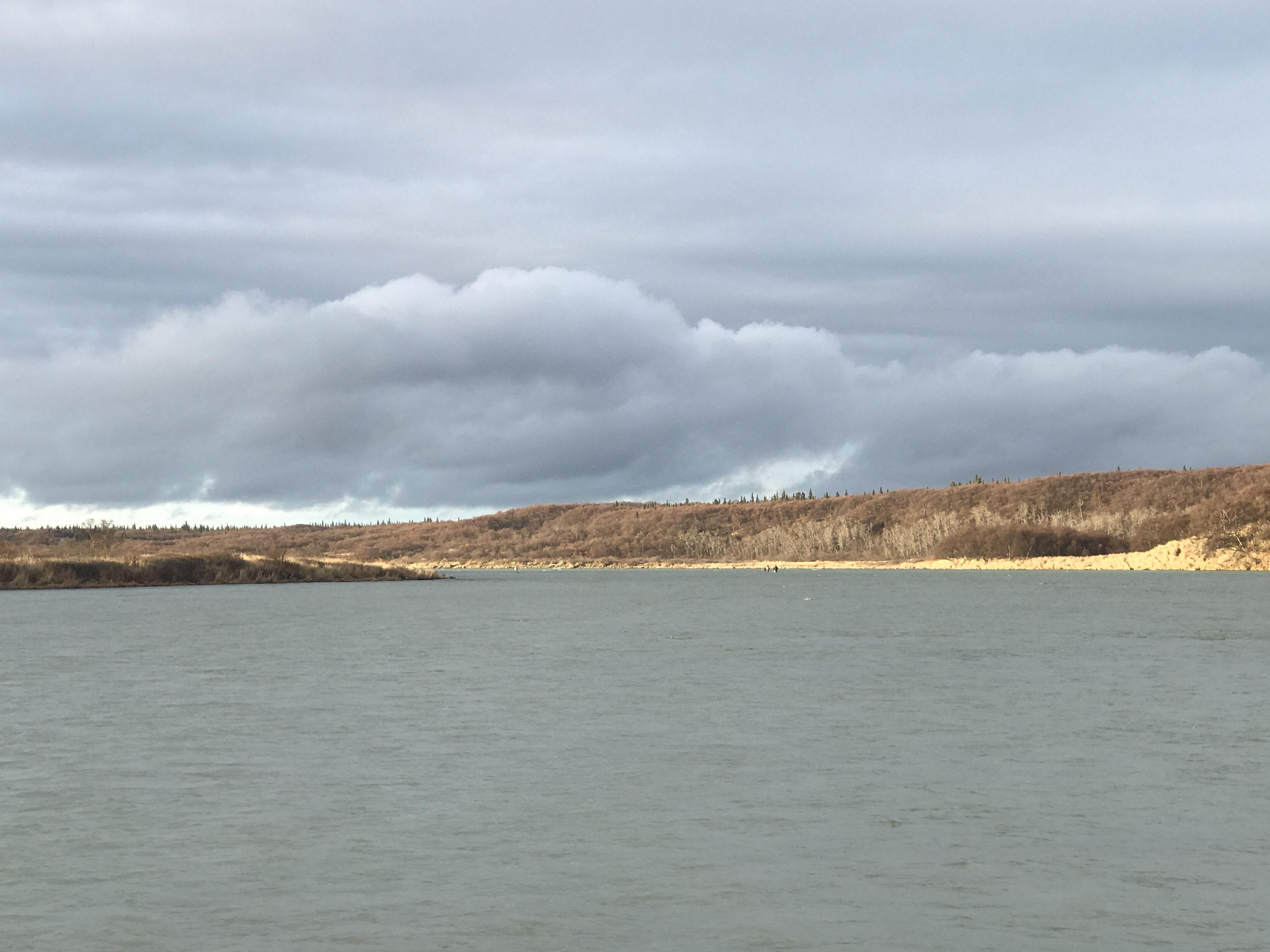
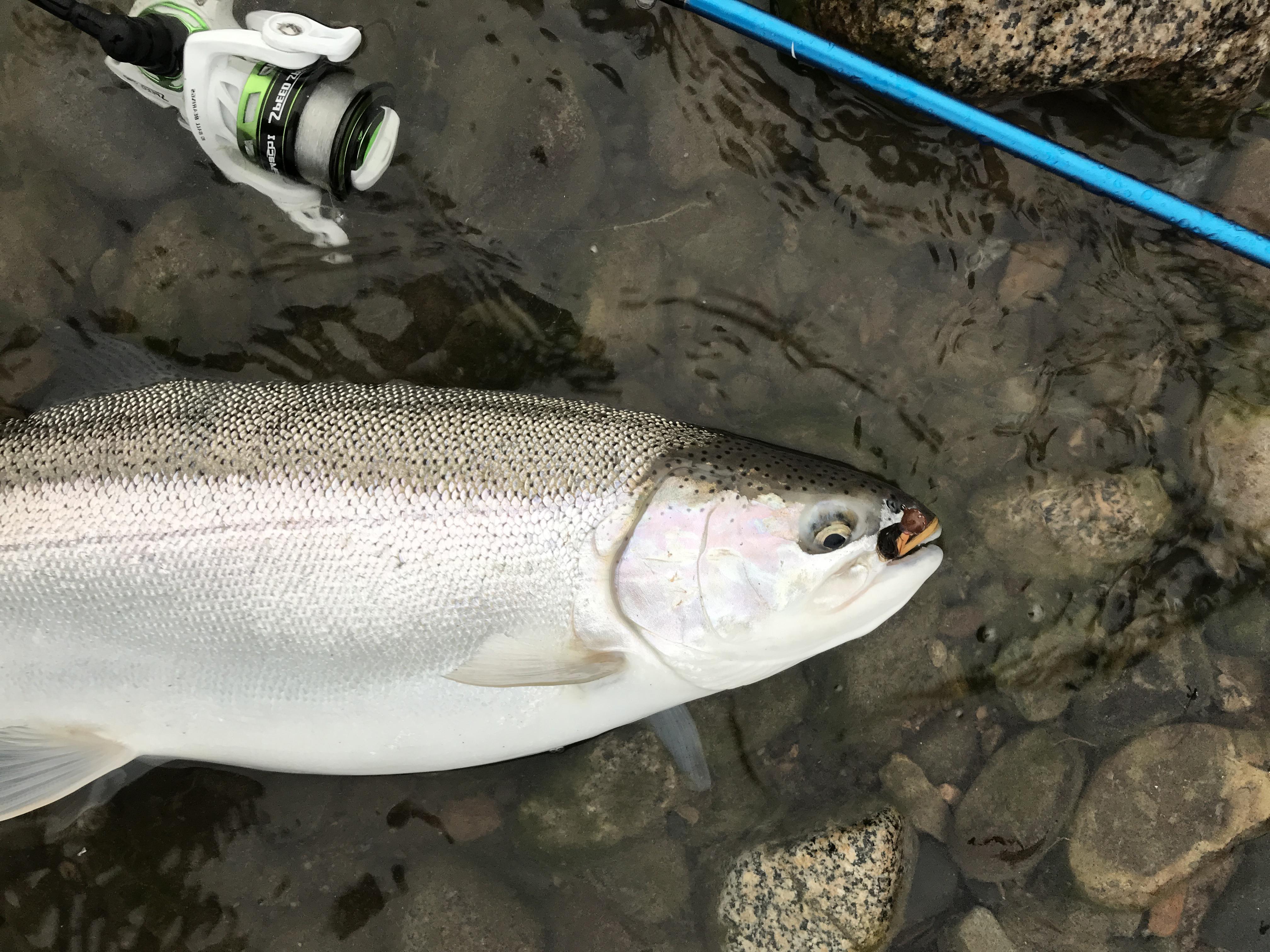
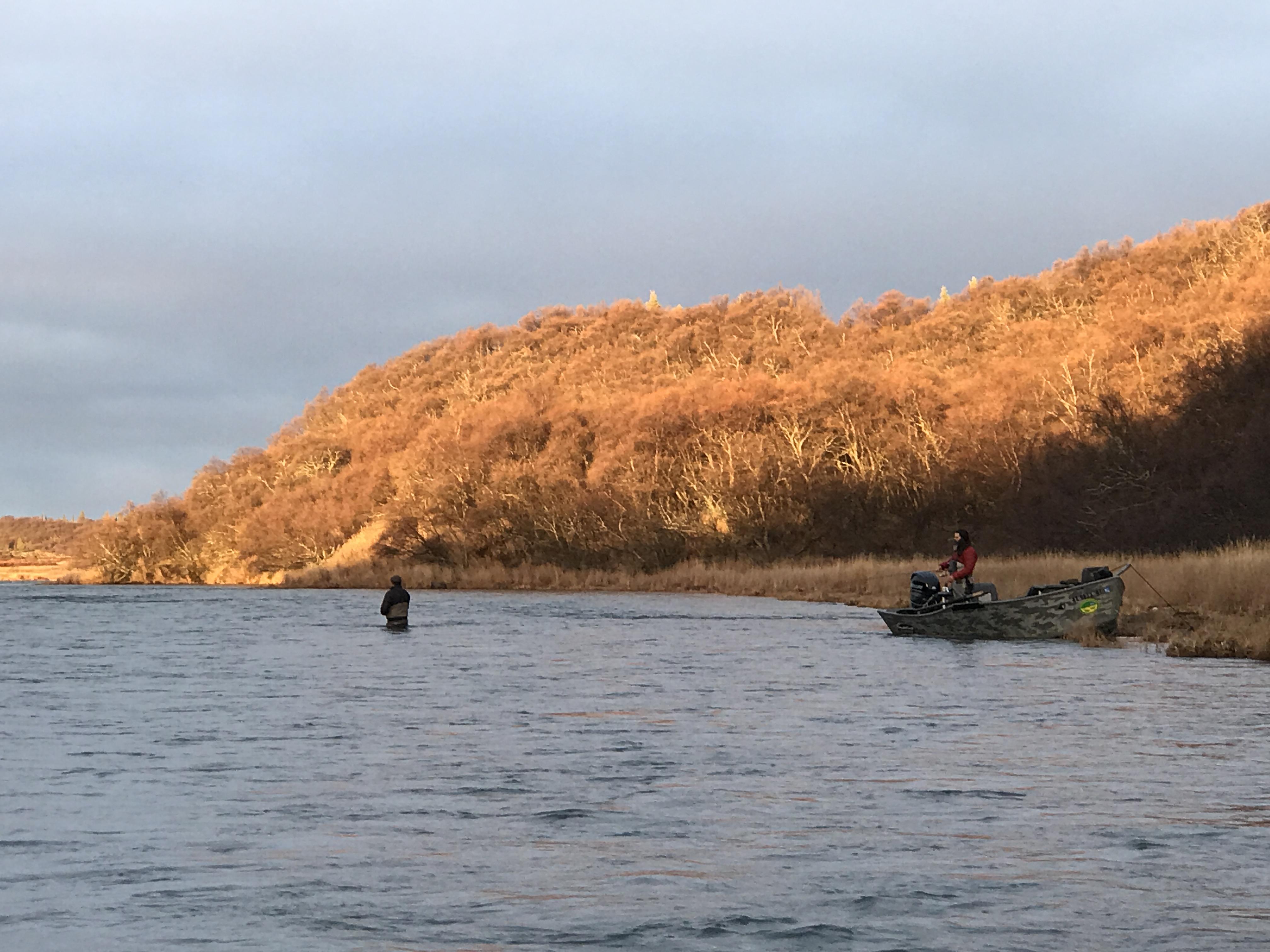
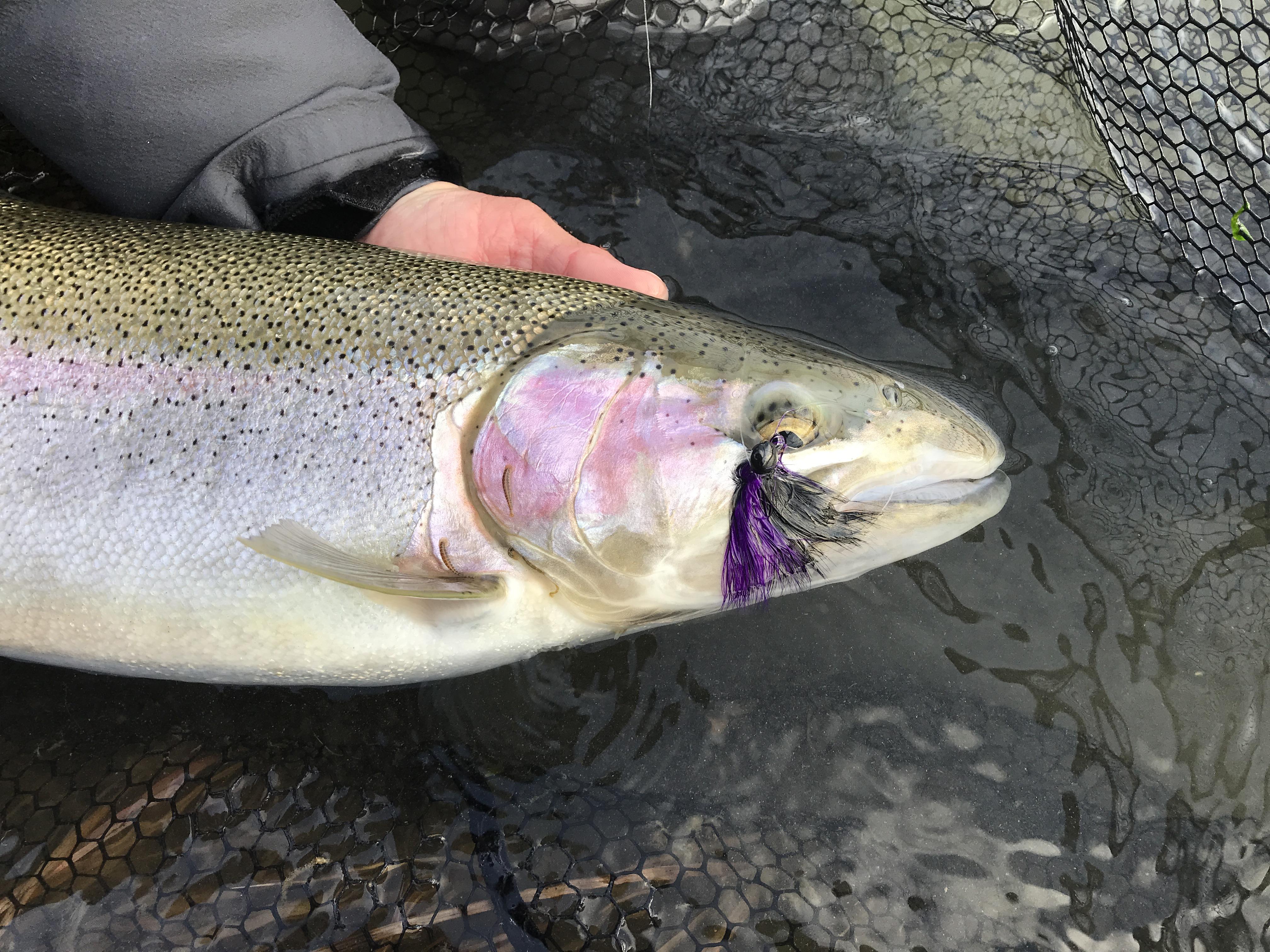
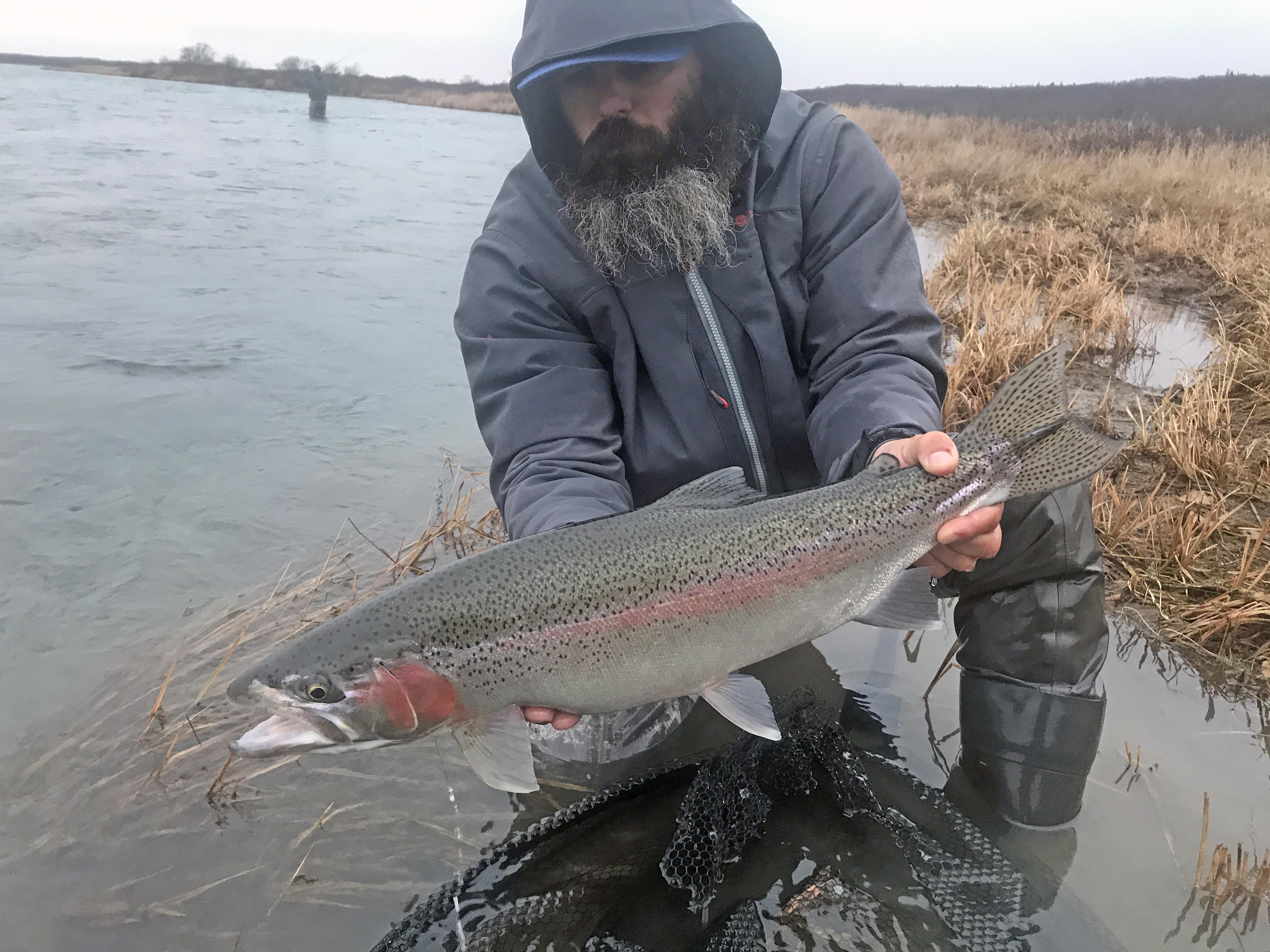
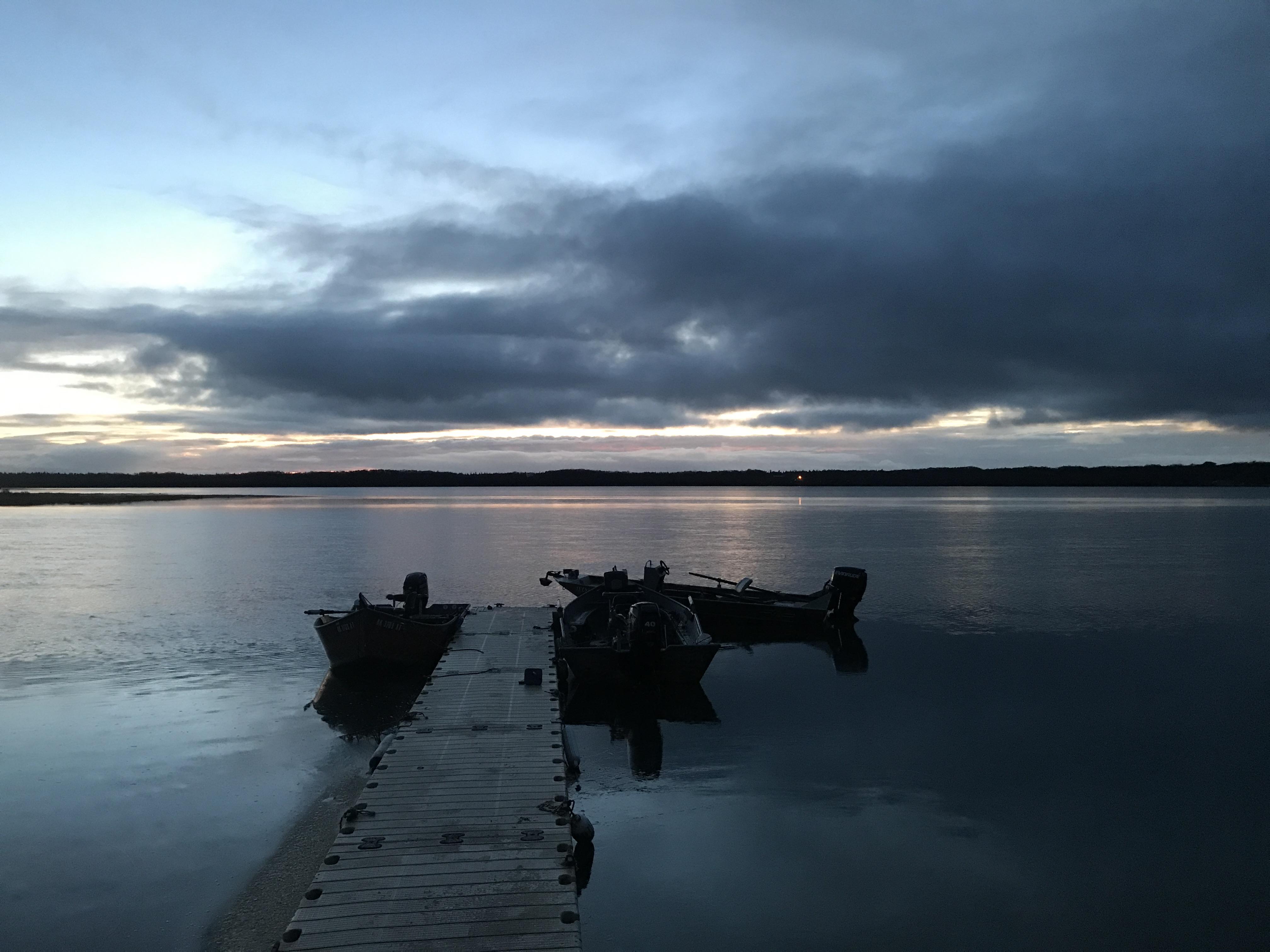
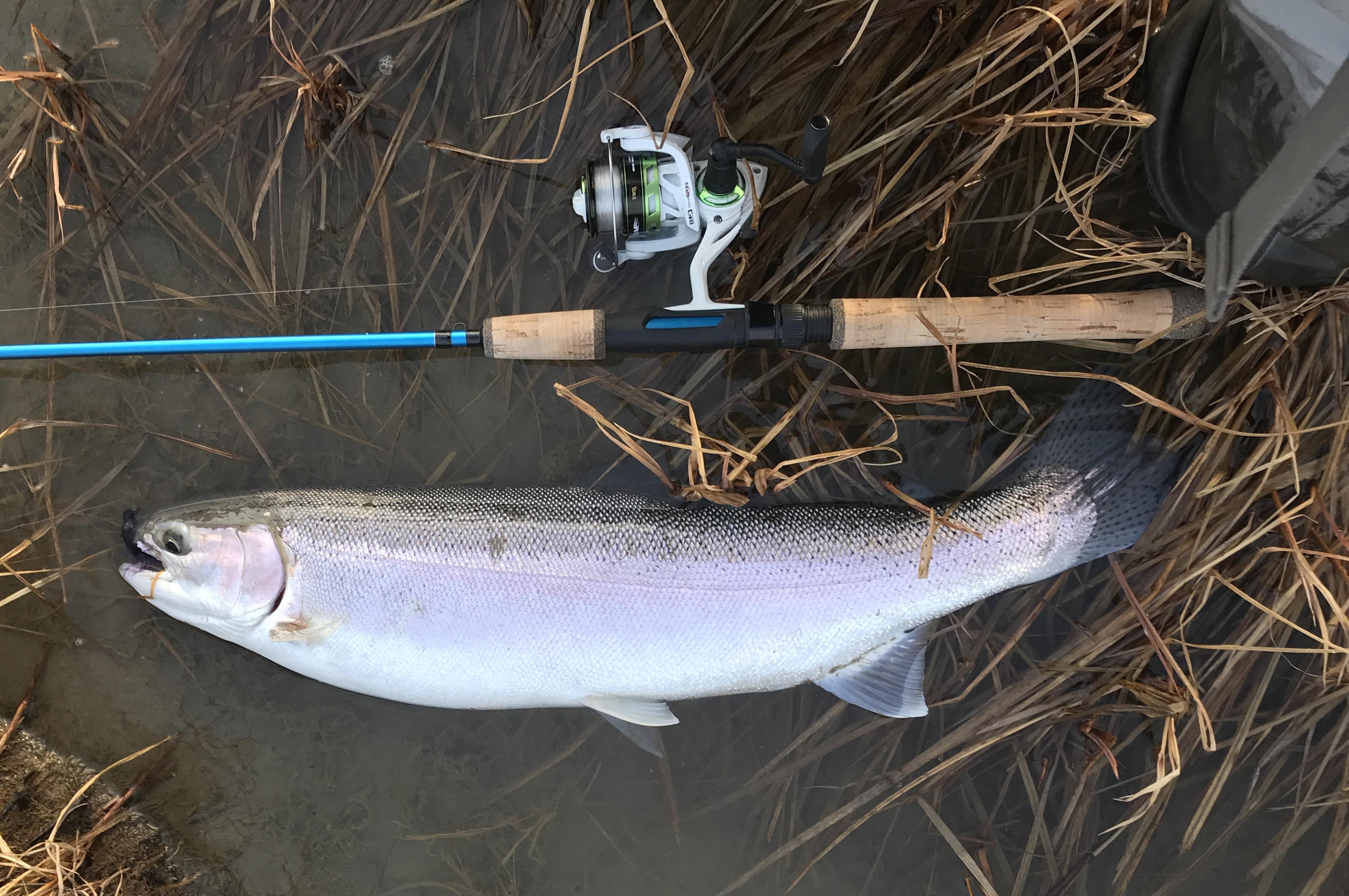
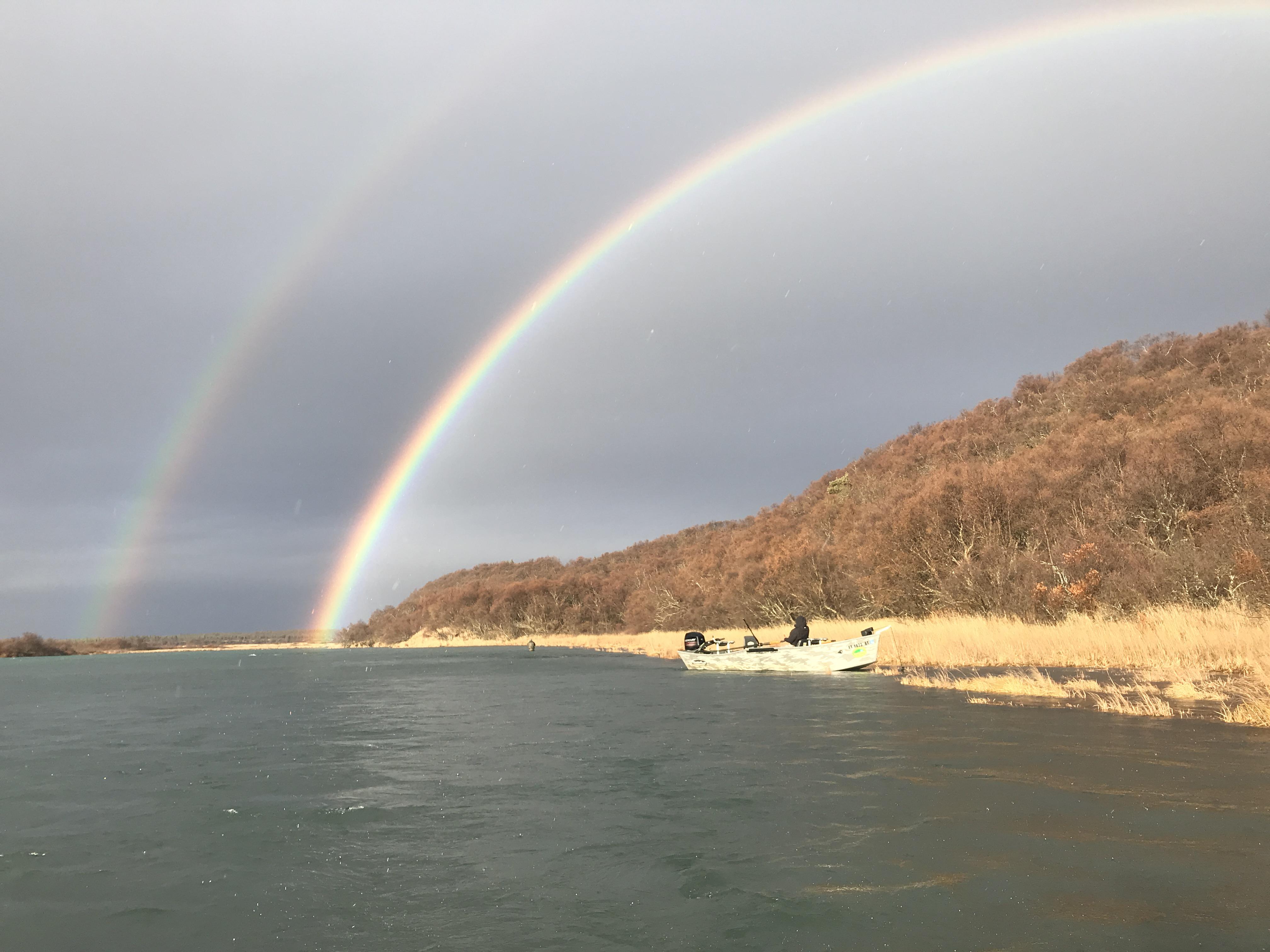
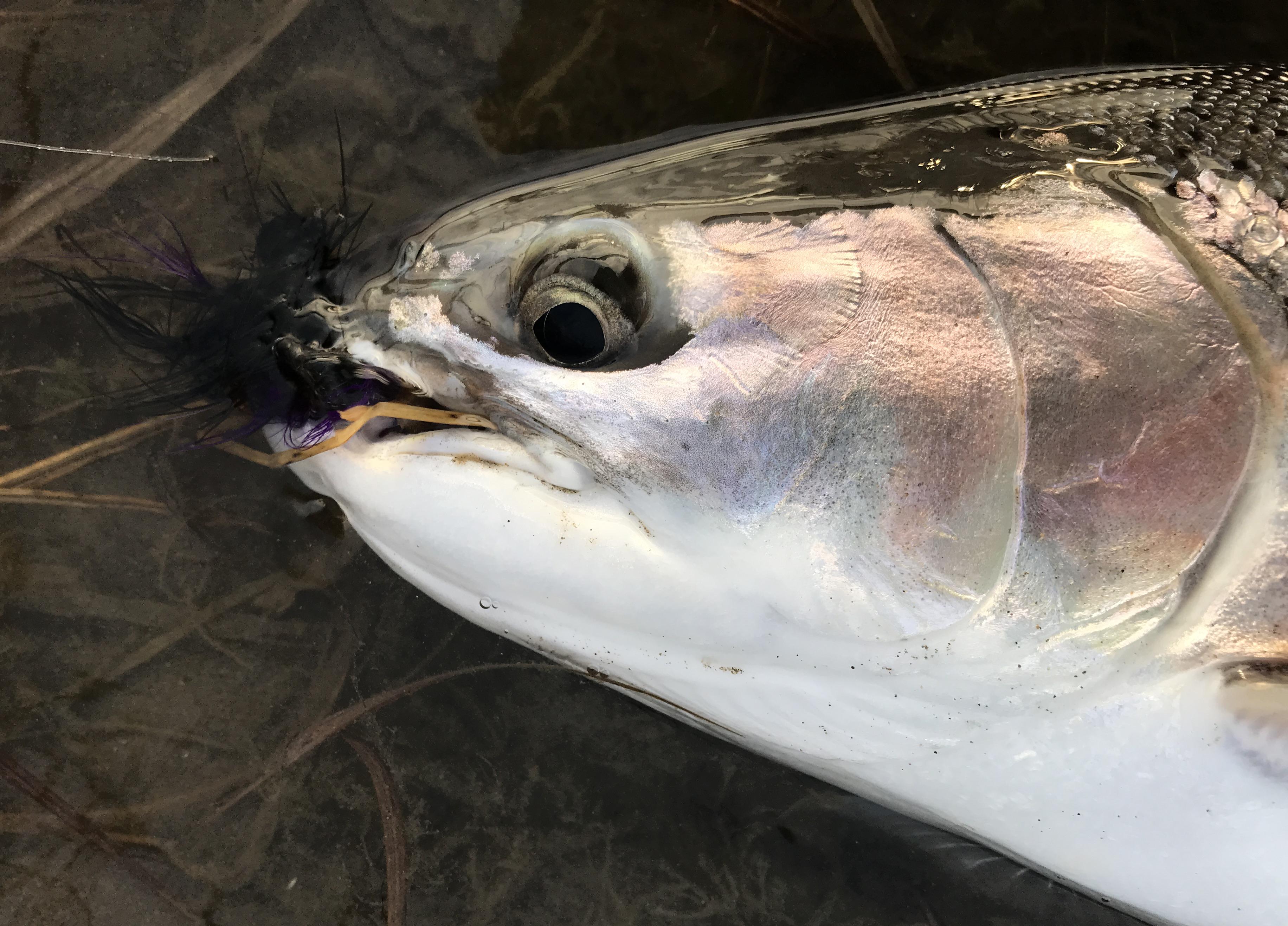
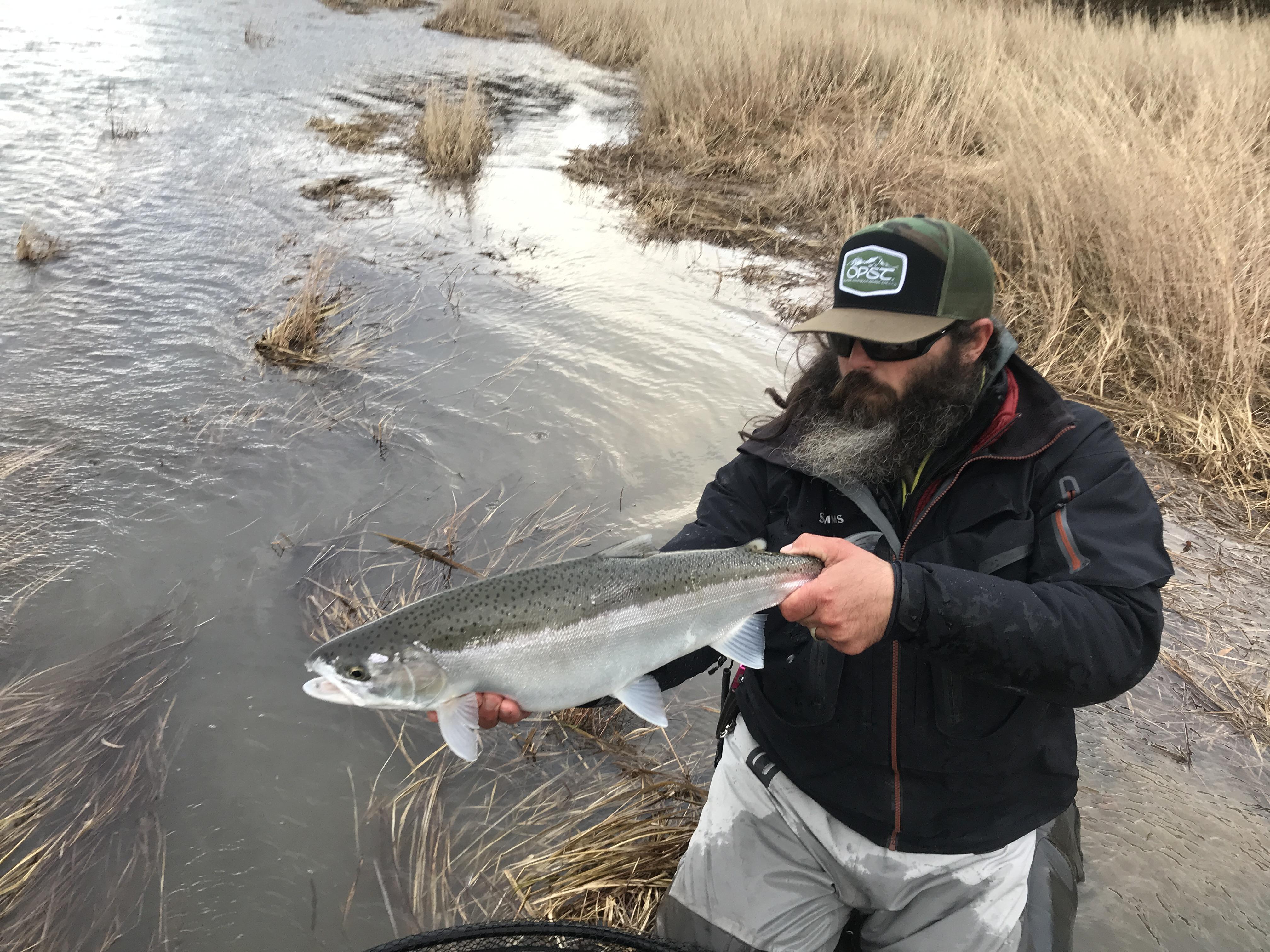
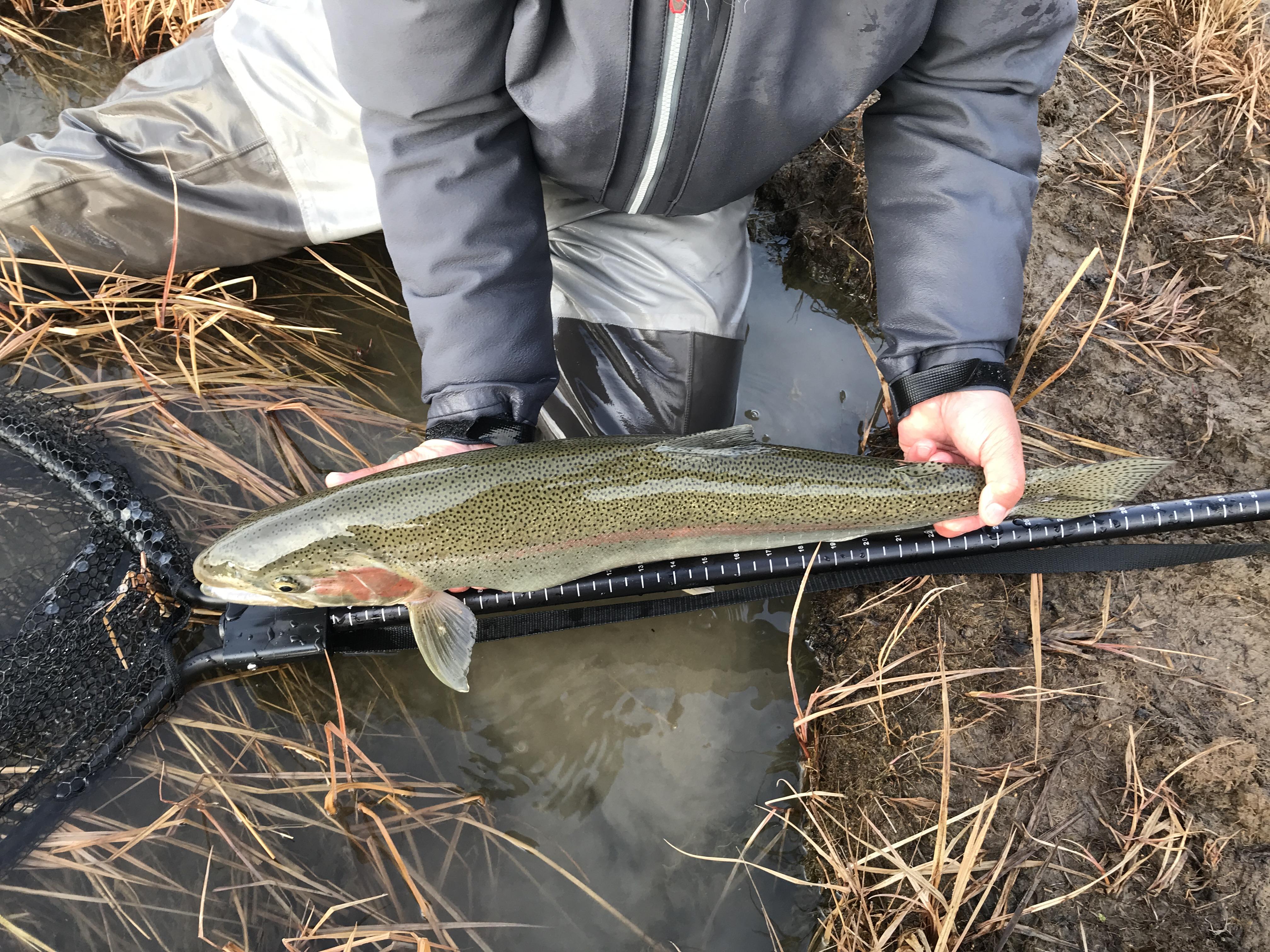
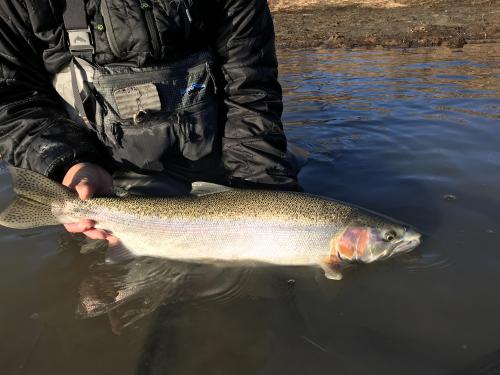
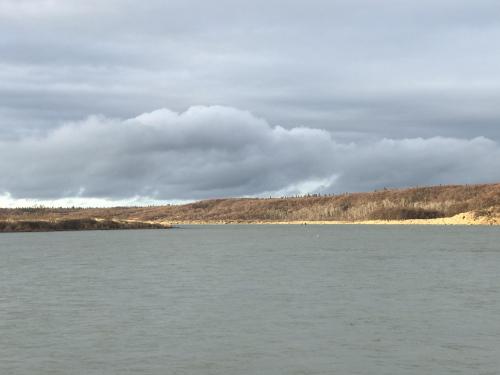
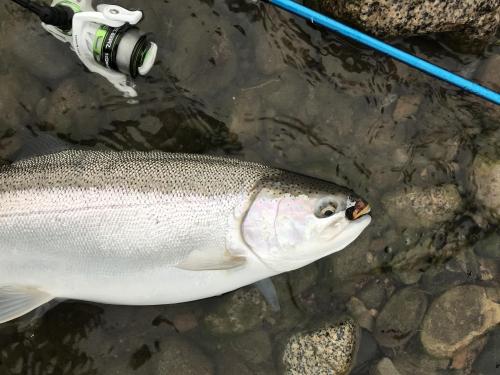
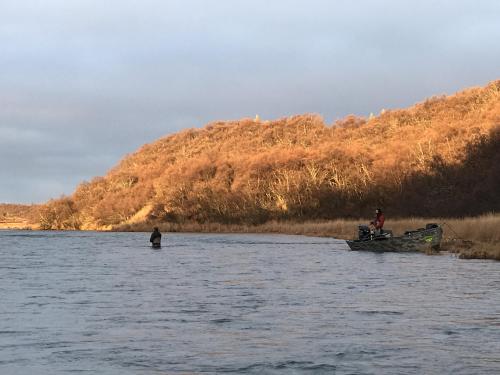
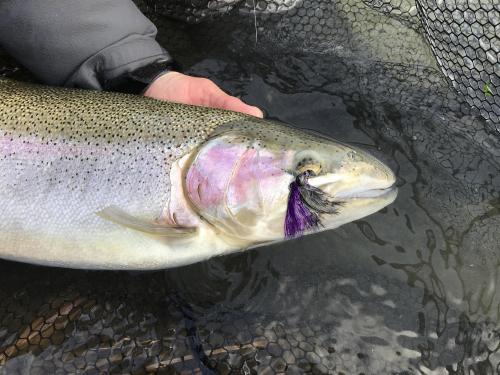
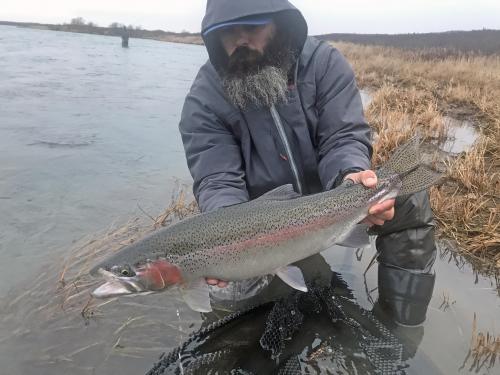
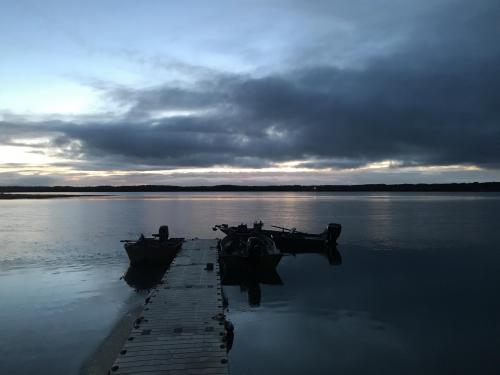
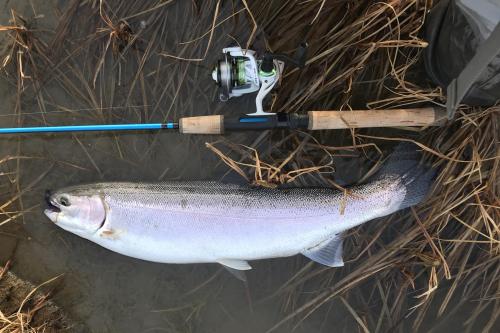
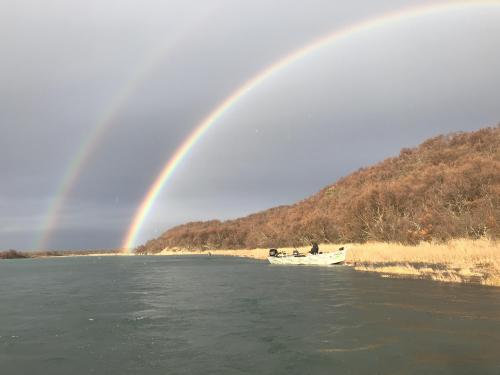
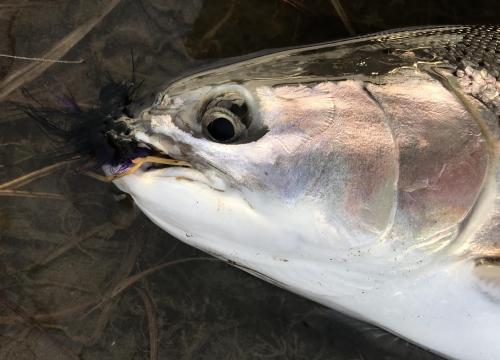
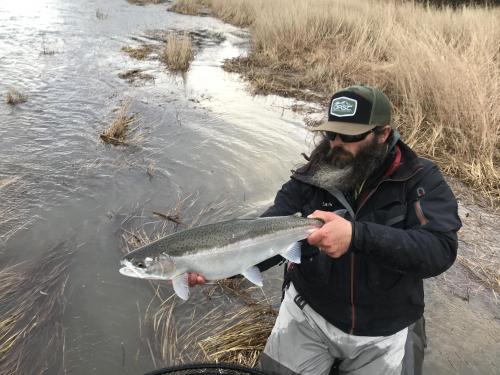
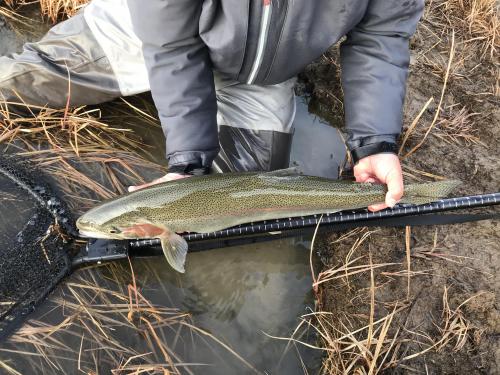
I'd never gone up to Naknek this late... not many people have except locals I'm told. And even then, didn't see but a couple of boats on the river today. Stayed at Katmai Trophy Lodge near the "rapids" on the Naknek, owned by the Johnson family. They also own Naknek River Camp at the head of the river, at Lake Camp. The camp is closed because all their water lines are exposed, above ground. KTL is a regular lodge with power (electricity) and indoor plumbing so they could stay open all year, if there was fishing to be had. I went up to spend time with good friend, John McCloskey, one of their main guides at KTL. John did a spey casting clinic for us at the resort last December. John had 3 clients this week from Georgia. They are clients of his on his home waters in north GA. Jason, Jane and their 9 year old son John. John specializes is swinging flies and the Cooke's were there to partake. The river was a little high and off color due to rains and an east wind. John says the rainbows don't like dirty water. Water temp was 43-44 degrees. We had a variety of weather. Three days of winds in excess of 40 mph and a couple "breezy" days. Rain everyday except one. But temps stayed decent - 45 - 53 degrees daytime and rarely dropped below 40 at night. Unseasonably warm, but always windy and rainy. I'd call it normal RAW Alaska weather for late October. Fishing was good the first day in spite of heavy winds but the bite steadily slowed down each day, like the rainbows were leaving the river. We were seeing some flesh flowing by but not much. Nothing else for them to eat really except may be a sculpin here and there. They winter in Naknek Lake and will migrate there about now. John says they stated one week too long. But the rainbows we did catch were impressive. They swung flesh and sculpins and I threw my spinning gear and 1/8th ounce jigs. I used mostly 4-pound line but did use 6-pound occasionally. The bigger the rainbow and easier they were to land, mainly because they were so fat with flesh. We fished flats - fast water spots with depressions and rocks holding fish and depths not more than 3 feet deep. That's what made my jig work, they hit it even if it was real close to the surface - and the swing or worked out in front of me. I landed 3 - 30+inch bows, 6 bows between 25 and 29, one at 20 and 2 about 15 inches. I lost a couple - one at the net and one broke off. The best color was black/purple and sculpin/ginger a close second. John played around with the jig and loved it. He couldn't get over how effective it was. I know he hooked several rainbows and landed one that I saw. They caught a half dozen swinging flies. I know Jason landed a couple pushing 30 inches. They saw one bear. I wasn't fishing at the time though so I didn't see it. We didn't fish any other areas - stay below the Counting Towers and across from King Island. There were 2 other guide boats out all week with 2 clients each... that's it. This post has been promoted to an article
-
Nice
-
Lake Taneycomo fishing report, October 23
Phil Lilley replied to Phil Lilley's topic in Upper Lake Taneycomo
Had to edit the report, since they SHUT the water off this morning. Big rains moving in which will, again, change things. It's hard writing any report seeing conditions change so often. -
Generation patterns on Lake Taneycomo have changed since my last fishing report. Spill gates have shut down and the U.S. Army Corps of Engineers has gone back to running generators for much of the day and some nights. Oxygen levels remain decent and water temperatures steady at about 57 degrees. Water clarity has dropped, though, which is good for us anglers. We talked about using two-pound line for months because our water was so clear -- but not anymore. Four-pound line is fine for almost all applications. Flows have been pretty consistent, running 6,500 and 8,600 cubic feet per second of water, or the equivalent of 1.5 to two units of water. Table Rock is 916.8 feet above sea level and dropping slightly. With the current flow, it's just keeping up with inflows caused by rains and some water from Beaver Lake which is a little high at 1,126 feet. As fate has it, they shut the water down today but I'm afraid it's going to short-lived. Quite a bit of rain is forecasted for the next 4-5 days which, if we get it, will bring the lakes up and more generation. At these medium flows, wading below the dam is very limited, mainly at the outlets and along the bank in some areas. I've seen some guys wading below outlet #3 at deep depths, going out in current to their waist which, in my opinion, is unnecessary and dangerous. No fish is worth getting swept downstream, putting you and may be someone else trying to help rescue you at risk. Be wise. Drifting #12 gray, brown and orange scuds from the cable down to Trout Hollow has been pretty successful this week, along with egg flies and San Juan worms. Fish them under a float or using a drift rig or just a split shot; either is fine. We're still doing pretty well throwing white jigs in and below the trophy area. Sculpin jigs and black jigs are producing well, too. Drifting night crawlers below Fall Creek is netting some really nice rainbows, according to Guide Bill Babler. The stretch between Fall Creek and Short Creek has been the best. Guide Steve Dickey has been doing well using the pink PowerWorm under a float six- to nine-feet deep from above Monkey Island through the bridges. The wind has made drifting and fishing pretty tough in general the last few days but that should change shortly. View full article
-
 Generation patterns on Lake Taneycomo have changed since my last fishing report. Spill gates have shut down and the U.S. Army Corps of Engineers has gone back to running generators for much of the day and some nights. Oxygen levels remain decent and water temperatures steady at about 57 degrees. Water clarity has dropped, though, which is good for us anglers. We talked about using two-pound line for months because our water was so clear -- but not anymore. Four-pound line is fine for almost all applications. Flows have been pretty consistent, running 6,500 and 8,600 cubic feet per second of water, or the equivalent of 1.5 to two units of water. Table Rock is 916.8 feet above sea level and dropping slightly. With the current flow, it's just keeping up with inflows caused by rains and some water from Beaver Lake which is a little high at 1,126 feet. As fate has it, they shut the water down today but I'm afraid it's going to short-lived. Quite a bit of rain is forecasted for the next 4-5 days which, if we get it, will bring the lakes up and more generation. At these medium flows, wading below the dam is very limited, mainly at the outlets and along the bank in some areas. I've seen some guys wading below outlet #3 at deep depths, going out in current to their waist which, in my opinion, is unnecessary and dangerous. No fish is worth getting swept downstream, putting you and may be someone else trying to help rescue you at risk. Be wise. Drifting #12 gray, brown and orange scuds from the cable down to Trout Hollow has been pretty successful this week, along with egg flies and San Juan worms. Fish them under a float or using a drift rig or just a split shot; either is fine. We're still doing pretty well throwing white jigs in and below the trophy area. Sculpin jigs and black jigs are producing well, too. Drifting night crawlers below Fall Creek is netting some really nice rainbows, according to Guide Bill Babler. The stretch between Fall Creek and Short Creek has been the best. Guide Steve Dickey has been doing well using the pink PowerWorm under a float six- to nine-feet deep from above Monkey Island through the bridges. The wind has made drifting and fishing pretty tough in general the last few days but that should change shortly.
 -
Boats Searching for their Marina After Dark
Phil Lilley replied to MickinMO's topic in Upper Lake Taneycomo
It was his first time on Taneycomo. I take all the blame. We have been very tardy about getting a new sign on our dock since the last ones blew off so there’s no signage on our dock. But... he wasn’t assigned to our dock. He was looking for my moms dock which is down past Lazy Valley and also unmarked. My office personnel should not have put him in her dock especially after he told them he wouldn’t be here till after dark. There’s no way anyone can identify that dock in the dark. So we basically put him in a bad position. Our fault. -
4 units - but not 4 FULL units. They're running each one of them at less than half capacity.
-
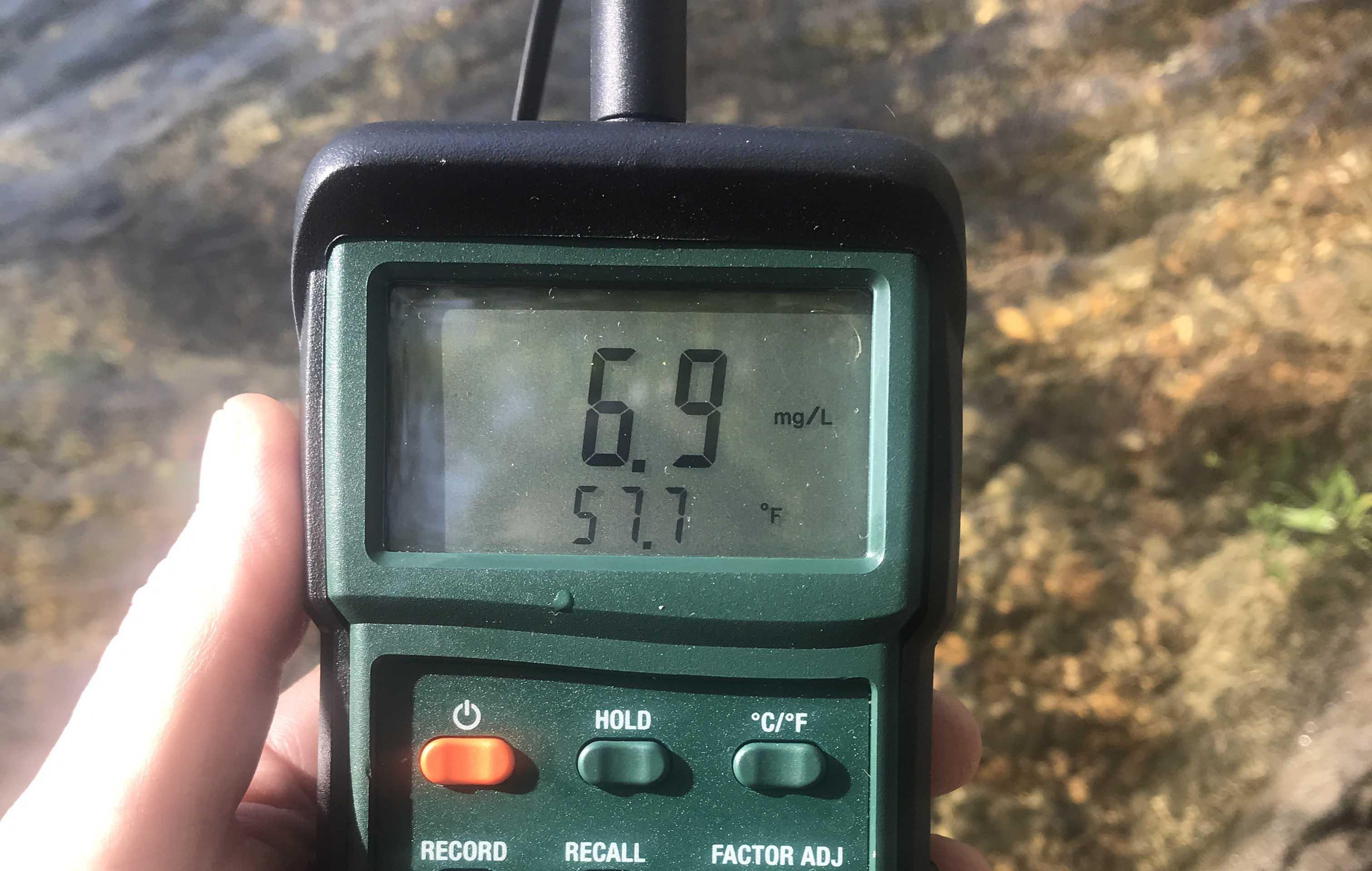 OK - got some readings this morning. All from the bank, tossing the probe out as far as I could (8-10 ft cord), on the north side of the lake. Dissolved Oxygen Level (parts per million) - Water Temperature (F) At the cable - 5.4 57.9 From the small outlet - 9.7 57.2 Below the small outlet - 5.3 57.7 Outlet #1 - 9.8 57.3 Below outlet #1 (about 75 feet down) - 6.2 57.5 Outlet #2 - 8.6 57.3 Below outlet #2 (about 100 feet down) - 6.9 57.7 At the stairs - 6.4 58.2 In the fish ladder - 8.4 57.8 Lilleys' Landing Dock - 5.3 57.9 Note: From what I've read, and I may be corrected by a professional in the field of coldwater fisheries, trout flourish in water with DO levels above 8 ppm, do ok in water with DO levels at 6 ppm, struggle a bit with DO levels between 4 and 5 ppm and don't do well at all in water with levels below 4. Temperature does play a role. Trout normally don't do well in water where temps are above 60 degrees. They are very receptive to stress and parasites that can cause death. Compare this fall season with previous years - our water temps are on the high side but not critical and our DO levels aren't too bad. Of course, any O2 in the water released at Table Rock Dam is put there by the Corps through injectors and running turbines with air vents open. Also from the hatchery outlets. All this is in the life of most tailwaters... it's something we go through every year at this time.
 -
OK - got some readings this morning. All from the bank, tossing the probe out as far as I could (8-10 ft cord), on the north side of the lake. Dissolved Oxygen Level (parts per million) - Water Temperature (F) At the cable - 5.4 57.9 From the small outlet - 9.7 57.2 Below the small outlet - 5.3 57.7 Outlet #1 - 9.8 57.3 Below outlet #1 (about 75 feet down) - 6.2 57.5 Outlet #2 - 8.6 57.3 Below outlet #2 (about 100 feet down) - 6.9 57.7 At the stairs - 6.4 58.2 In the fish ladder - 8.4 57.8 Lilleys' Landing Dock - 5.3 57.9 Note: From what I've read, and I may be corrected by a professional in the field of coldwater fisheries, trout flourish in water with DO levels above 8 ppm, do ok in water with DO levels at 6 ppm, struggle a bit with DO levels between 4 and 5 ppm and don't do well at all in water with levels below 4. Temperature does play a role. Trout normally don't do well in water where temps are above 60 degrees. They are very receptive to stress and parasites that can cause death. Compare this fall season with previous years - our water temps are on the high side but not critical and our DO levels aren't too bad. Of course, any O2 in the water released at Table Rock Dam is put there by the Corps through injectors and running turbines with air vents open. Also from the hatchery outlets. All this is in the life of most tailwaters... it's something we go through every year at this time. This post has been promoted to an article
-
- 4
-

-
TR bounced back over 917 feet but regardless, I doubted they would leave it off very long. They ran 2 most of the day today.
-
https://www.wired2fish.com/news/illinois-record-smallmouth-bass-caught-in-downtown-chicago/
-
No it wasn't Frank. Wasn't wearing any jewelry.
-
Just got off the water... trout are biting like crazy. But the front blowing through might have a lot to do with it. Saw a monster brown above the Narrows just cruising the flats - 20+ pounds for sure. He looked at my scuds... made me shake.
-
Why do I even do fishing reports... 😀😀😀😀😀😀😀😀
-
They shut it down this afternoon. Off. Zero Generation. Go figure.
-
I'll send a check to CFM today.
-
We've had big changes here on Lake Taneycomo the last few days. We've gone from a constant flow of about 2,000 cubic feet per second since Sept. 1st to 11,000 c.f.s. with a couple of flood gates open, all from one "little" rain we had Thursday night. It was one of those "toad soaker" rains, a slow moving system that sat on us for about six hours and dumped up to eight inches of rain in some areas to the east of Branson. Our rain gauge tops at five inches, and it was plum full Friday morning when I checked it. Most of the big rain fell east of the Table Rock watershed, but it did rain a solid two to four inches over all of Southwest Missouri, which brought Table Rock's level up to 917.45 feet. Now this is where it gets a little complicated, but I'll try to explain. When Table Rock rises past certain levels, the U.S. Army Corps of Engineers is required to release water at predetermined amounts. At 917 feet, they need to release about 11,000 c.f.s. of water until lake levels drop back below that level. That equates to about four full units of water, but due to seasonal restrictions of release, not all of that can be released through the turbines. If officials did, they would have to inject massive amounts of liquid oxygen to the release so that the oxygen levels would meet safe federal Clean Water Act levels (four parts per million). So the Corps opened three spill gates one foot each at about 5,500 c.f.s., combining it with four turbines at half capacity to equal the release needed to curb rising lake levels. So we have water being released at roughly 40 feet and 130-feet deep from Table Rock Lake. I took readings Monday and found the following temperatures and dissolved oxygen levels: Spill side, dam - 8.8 ppm. 67.5 degrees Turbine, dam side 4.0 ppm. 57.5 degrees Lookout, middle 5.7 ppm. 59.7 degrees Fall Creek, middle. 6.7 ppm. 62.4 degrees Lilleys' Landing, middle 6.8 ppm. 61.5 degrees So we're getting a good mix of dissolved oxygen with the gates opened, and the water temperature on the spill gates side isn't as high as we thought it might be. That was the concern. Our trout don't do well in warm water, especially brown trout. With this mix of cool and warm water, our trout should thrive pretty well. Thankfully, Table Rock's water temperatures have been dropping steadily with the cooler weather moving in. The other day when air temps dropped and the winds picked up, Table Rock's level really dropped out fast. Note: It usually takes me two or three sittings to write my reports, sometimes over a couple of days. When I talk about things like lake levels, those change between the time I start the report and finish it. So it is in this case. By the time this is published, Table Rock's level will reach 917 feet, and our flow will drop dramatically, changing a lot of what's in this report. My fishing report now is going to be very hard to write . . . simply because lake conditions will change shortly and so will how we go about catching fish. I guess I'll just write about how I THINK it's going to be and hope for the best. I'm going to assume that when operators shut the spill gates down, the Corps will keep the turbine release about the same, so there will be plenty of flowing water coming from Table Rock. They may go back to the 35-50 megawatts of generation they were running prior to the heavy rains that prompted this big release, but I don't expect that since Table Rock will still be a couple of feet over normal and rain is in the forecast. Regardless, we're going to see running water for quite some time. When they run gates and send warmer water through the system, our scud population explodes. So drifting with scuds (flies that mimic freshwater shrimp or scuds) should be one of the best things to drift on the bottom. They actually have been good, both when drifted on the bottom without a float and with a float, but these conditions should make them even more desirable. Some of the guides have been using larger scuds -- up to an #8 -- but with the water slowing down, I'd go back to #12's to as small as #16's. White jigs have been working below the dam as well as drifting crank baits on the bottom, as long as there enough current to do that. If the water release drops too low, the cranks won't work. We use the Bomber Fat Free Shad Fingerling in shad flavors. You need to throw it out toward the dam and crank it down until you feel it ticking on the bottom, then let it ride. With white jigs, let them drift, too, working them as little as possible. Threadfin shad have been coming over the spill gates (although we haven't seen any) and drifting down lake, eaten up pretty quickly by trout and other fish. You should probably use 1/8th-ounce jigs until dam operators drop the flow, then go to smaller jigs. Other jig colors have been working, too, such as black, brown, sculpin, sculpin peach. Don't forget that when drifting flies on the bottom in the trophy area and even farther down past Fall Creek, try red San Juan worms and egg flies. Use one of these with a scud in a tandem rig. With this much flow, four-pound line is perfectly fine. I've seen more and more top water action. If you're a dry fly lover, start throwing those hoppers, stimulators, ants, beetles and elk hair caddis flies along the banks and see what happens. I've also witnessed a lot of people catching rainbows drifting below Fall Creek with night crawlers and power eggs. Use a quarter-ounce weight t with this much flow but drop to an 1/8th-ounce when the water is kicked back. A lot of boaters have been anchoring in current lately, some right in the middle of the lake. First, I can't imagine catching anything and, second, this can be very dangerous. Those whom I've seen are anchoring off the front and are in deep V boats, so they can handle the current, but if you anchor in the wrong way in the wrong kind of boat, the current can and will pull the boat under in a second. I would never suggest anyone try this, regardless of whether they are operating in a safe manner. You'd be much better off anchoring over on the side in an eddie or slower current where you'd find more fish primed to take your bait. Also, anglers are asking for trouble when anchoring in the middle of the lake since most boaters are drifting. It's dangerous to assume that all boaters can handle their boats in current and won't drift into another boat in their path. All images above are from Duane Doty's Facebook Page, Ozark Trout Runners. They are pictures he's taken out on guide trips the past two weeks. And all of the fish -- walleye, bass and trout -- were caught on his signature series, custom painted jerk baits. This is Blake Wilson, one of our dock workers. He's been throwing Duane's jerk bait almost every evening, and he finally scored a trophy brown. It was 27 inches long and weighed more than nine pounds. He released it after reviving it in our holding tank. We always have a big holding tank with lake water running through it for big fish that are brought in to the dock. Because of the seasonal low D.O. conditions, we added an oxygen tank and a diffuser stone to add more O2 to the water in the tank. Now that we (Lilley's Landing) have become known for this service, we do get a lot of big trout brought in for weighing and pictures. But please consider this: If you catch a big fish miles from our dock, you may put the fish in peril if you bring it in instead of just releasing it immediately. Consider the size of your live well, whether it is big enough for your fish? If you're running a long distance, you won't be adding fresh water to the live well on your run, with the lake water already low in O2. I would ask you to consider pulling over to the bank (where it is safe to anchor) and take your time, letting the fish rest in the live well or even in the net in the lake. Wait 10 or 15 minutes and let the fish recover before getting pictures. I caught a very nice rainbow once and pulled over to the side, got out of the boat with the fish in the net so I could just lift it out of the water for a few seconds for pictures, then after I made sure it was strong enough, released it. Yes, I got my feet wet but it was well worth it. View full article
-
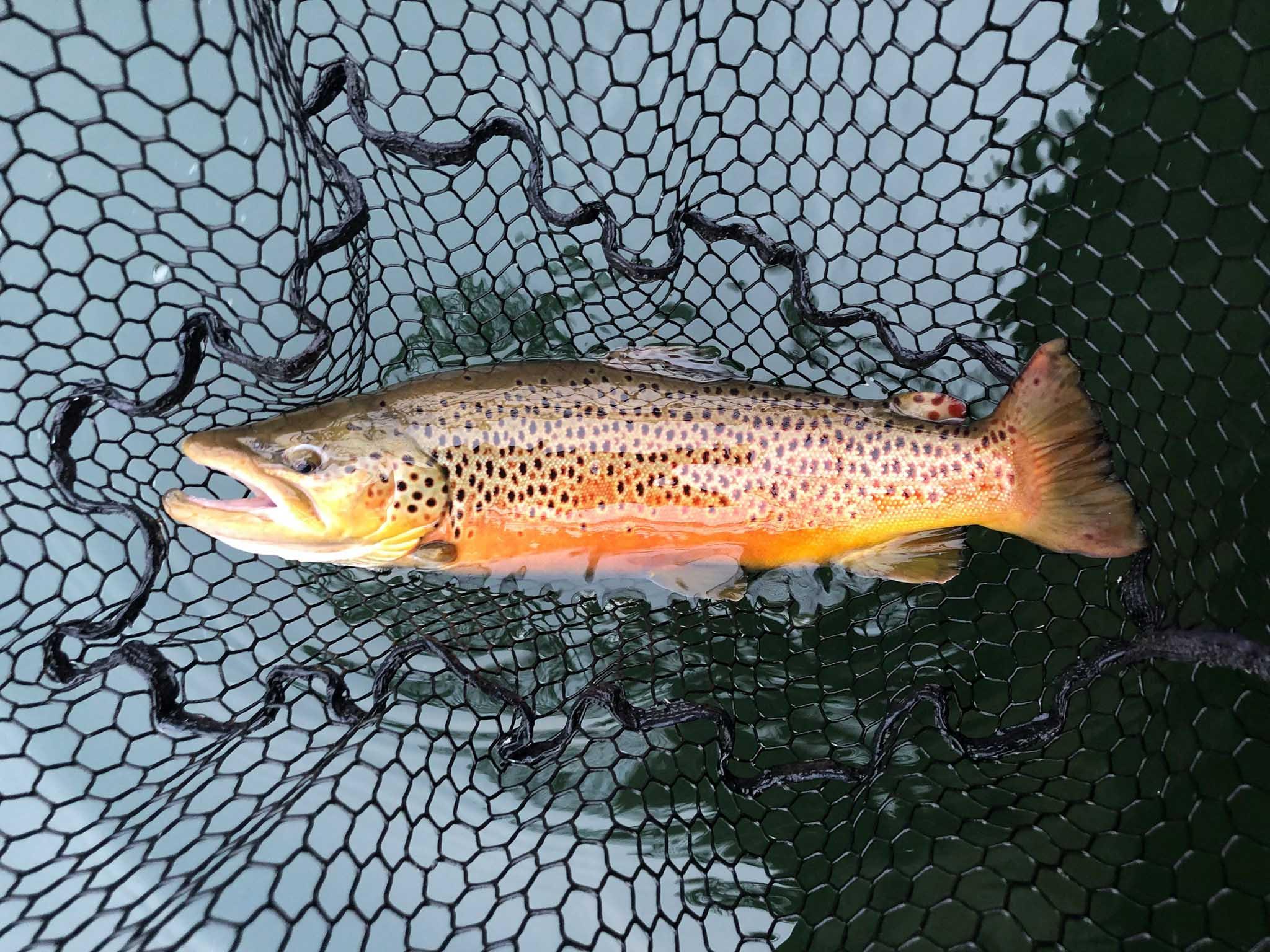 We've had big changes here on Lake Taneycomo the last few days. We've gone from a constant flow of about 2,000 cubic feet per second since Sept. 1st to 11,000 c.f.s. with a couple of flood gates open, all from one "little" rain we had Thursday night. It was one of those "toad soaker" rains, a slow moving system that sat on us for about six hours and dumped up to eight inches of rain in some areas to the east of Branson. Our rain gauge tops at five inches, and it was plum full Friday morning when I checked it. Most of the big rain fell east of the Table Rock watershed, but it did rain a solid two to four inches over all of Southwest Missouri, which brought Table Rock's level up to 917.45 feet. Now this is where it gets a little complicated, but I'll try to explain. When Table Rock rises past certain levels, the U.S. Army Corps of Engineers is required to release water at predetermined amounts. At 917 feet, they need to release about 11,000 c.f.s. of water until lake levels drop back below that level. That equates to about four full units of water, but due to seasonal restrictions of release, not all of that can be released through the turbines. If officials did, they would have to inject massive amounts of liquid oxygen to the release so that the oxygen levels would meet safe federal Clean Water Act levels (four parts per million). So the Corps opened three spill gates one foot each at about 5,500 c.f.s., combining it with four turbines at half capacity to equal the release needed to curb rising lake levels. So we have water being released at roughly 40 feet and 130-feet deep from Table Rock Lake. I took readings Monday and found the following temperatures and dissolved oxygen levels: Spill side, dam - 8.8 ppm. 67.5 degrees Turbine, dam side 4.0 ppm. 57.5 degrees Lookout, middle 5.7 ppm. 59.7 degrees Fall Creek, middle. 6.7 ppm. 62.4 degrees Lilleys' Landing, middle 6.8 ppm. 61.5 degrees So we're getting a good mix of dissolved oxygen with the gates opened, and the water temperature on the spill gates side isn't as high as we thought it might be. That was the concern. Our trout don't do well in warm water, especially brown trout. With this mix of cool and warm water, our trout should thrive pretty well. Thankfully, Table Rock's water temperatures have been dropping steadily with the cooler weather moving in. The other day when air temps dropped and the winds picked up, Table Rock's level really dropped out fast. Note: It usually takes me two or three sittings to write my reports, sometimes over a couple of days. When I talk about things like lake levels, those change between the time I start the report and finish it. So it is in this case. By the time this is published, Table Rock's level will reach 917 feet, and our flow will drop dramatically, changing a lot of what's in this report. My fishing report now is going to be very hard to write . . . simply because lake conditions will change shortly and so will how we go about catching fish. I guess I'll just write about how I THINK it's going to be and hope for the best. I'm going to assume that when operators shut the spill gates down, the Corps will keep the turbine release about the same, so there will be plenty of flowing water coming from Table Rock. They may go back to the 35-50 megawatts of generation they were running prior to the heavy rains that prompted this big release, but I don't expect that since Table Rock will still be a couple of feet over normal and rain is in the forecast. Regardless, we're going to see running water for quite some time. When they run gates and send warmer water through the system, our scud population explodes. So drifting with scuds (flies that mimic freshwater shrimp or scuds) should be one of the best things to drift on the bottom. They actually have been good, both when drifted on the bottom without a float and with a float, but these conditions should make them even more desirable. Some of the guides have been using larger scuds -- up to an #8 -- but with the water slowing down, I'd go back to #12's to as small as #16's. White jigs have been working below the dam as well as drifting crank baits on the bottom, as long as there enough current to do that. If the water release drops too low, the cranks won't work. We use the Bomber Fat Free Shad Fingerling in shad flavors. You need to throw it out toward the dam and crank it down until you feel it ticking on the bottom, then let it ride. With white jigs, let them drift, too, working them as little as possible. Threadfin shad have been coming over the spill gates (although we haven't seen any) and drifting down lake, eaten up pretty quickly by trout and other fish. You should probably use 1/8th-ounce jigs until dam operators drop the flow, then go to smaller jigs. Other jig colors have been working, too, such as black, brown, sculpin, sculpin peach. Don't forget that when drifting flies on the bottom in the trophy area and even farther down past Fall Creek, try red San Juan worms and egg flies. Use one of these with a scud in a tandem rig. With this much flow, four-pound line is perfectly fine. I've seen more and more top water action. If you're a dry fly lover, start throwing those hoppers, stimulators, ants, beetles and elk hair caddis flies along the banks and see what happens. I've also witnessed a lot of people catching rainbows drifting below Fall Creek with night crawlers and power eggs. Use a quarter-ounce weight t with this much flow but drop to an 1/8th-ounce when the water is kicked back. A lot of boaters have been anchoring in current lately, some right in the middle of the lake. First, I can't imagine catching anything and, second, this can be very dangerous. Those whom I've seen are anchoring off the front and are in deep V boats, so they can handle the current, but if you anchor in the wrong way in the wrong kind of boat, the current can and will pull the boat under in a second. I would never suggest anyone try this, regardless of whether they are operating in a safe manner. You'd be much better off anchoring over on the side in an eddie or slower current where you'd find more fish primed to take your bait. Also, anglers are asking for trouble when anchoring in the middle of the lake since most boaters are drifting. It's dangerous to assume that all boaters can handle their boats in current and won't drift into another boat in their path. All images above are from Duane Doty's Facebook Page, Ozark Trout Runners. They are pictures he's taken out on guide trips the past two weeks. And all of the fish -- walleye, bass and trout -- were caught on his signature series, custom painted jerk baits. This is Blake Wilson, one of our dock workers. He's been throwing Duane's jerk bait almost every evening, and he finally scored a trophy brown. It was 27 inches long and weighed more than nine pounds. He released it after reviving it in our holding tank. We always have a big holding tank with lake water running through it for big fish that are brought in to the dock. Because of the seasonal low D.O. conditions, we added an oxygen tank and a diffuser stone to add more O2 to the water in the tank. Now that we (Lilley's Landing) have become known for this service, we do get a lot of big trout brought in for weighing and pictures. But please consider this: If you catch a big fish miles from our dock, you may put the fish in peril if you bring it in instead of just releasing it immediately. Consider the size of your live well, whether it is big enough for your fish? If you're running a long distance, you won't be adding fresh water to the live well on your run, with the lake water already low in O2. I would ask you to consider pulling over to the bank (where it is safe to anchor) and take your time, letting the fish rest in the live well or even in the net in the lake. Wait 10 or 15 minutes and let the fish recover before getting pictures. I caught a very nice rainbow once and pulled over to the side, got out of the boat with the fish in the net so I could just lift it out of the water for a few seconds for pictures, then after I made sure it was strong enough, released it. Yes, I got my feet wet but it was well worth it.
 -
Sadly, Waino might be done. Not a good way to go out. They looked at strikes and swung at balls. They need to go up and swing aggressively the rest of the series. They can do no worse.
-
Sounds like you guys figured it out. TR is dropping now. Might be at 917 by tomorrow or earlier. All it has to drop is .37 of a foot.
-
Always loos brown after a rain like that. But it clears quickly.... flushes out. Nice to be a tailwater. Table Rock's at 917.45 this morning. They'll run this flow till it drops down past 917 feet. Flood gates that equal 2 units. Turbine release at 2 units. Lake level is at 710 feet - about right for 4 units.
-
11,000 cfs. It's a bunch.
-
Table Rock has almost crested. They will run gates till TR drops below 927 feet
-
3 gates now readings: Spill side - 68.7 highest and 8.8 ppm DOTurbine side - 57.7 highest and 4.3 ppm DO wind was tough! No fish caught. Saw one caught on a red San Juan worm (Rolan Duffield)